Introduction
Custody battles can feel like a high-stakes drama where every word counts—and spoiler alert—your social media feed is definitely on the guest list. What you post on Instagram, Facebook, or even your secret Twitter alt might end up starring as evidence in court. Don’t worry, we’re here to help you dodge those digital landmines!
Today, we’re diving into why those venting posts you think are just harmless therapy might actually be snapped up and shared behind courtroom doors. Plus, we’ll walk you through clever ways to clean up your online act so you can shine as the responsible, loving parent you really are.
The Hidden Risks of “Venting” on Social Media During Custody Battles
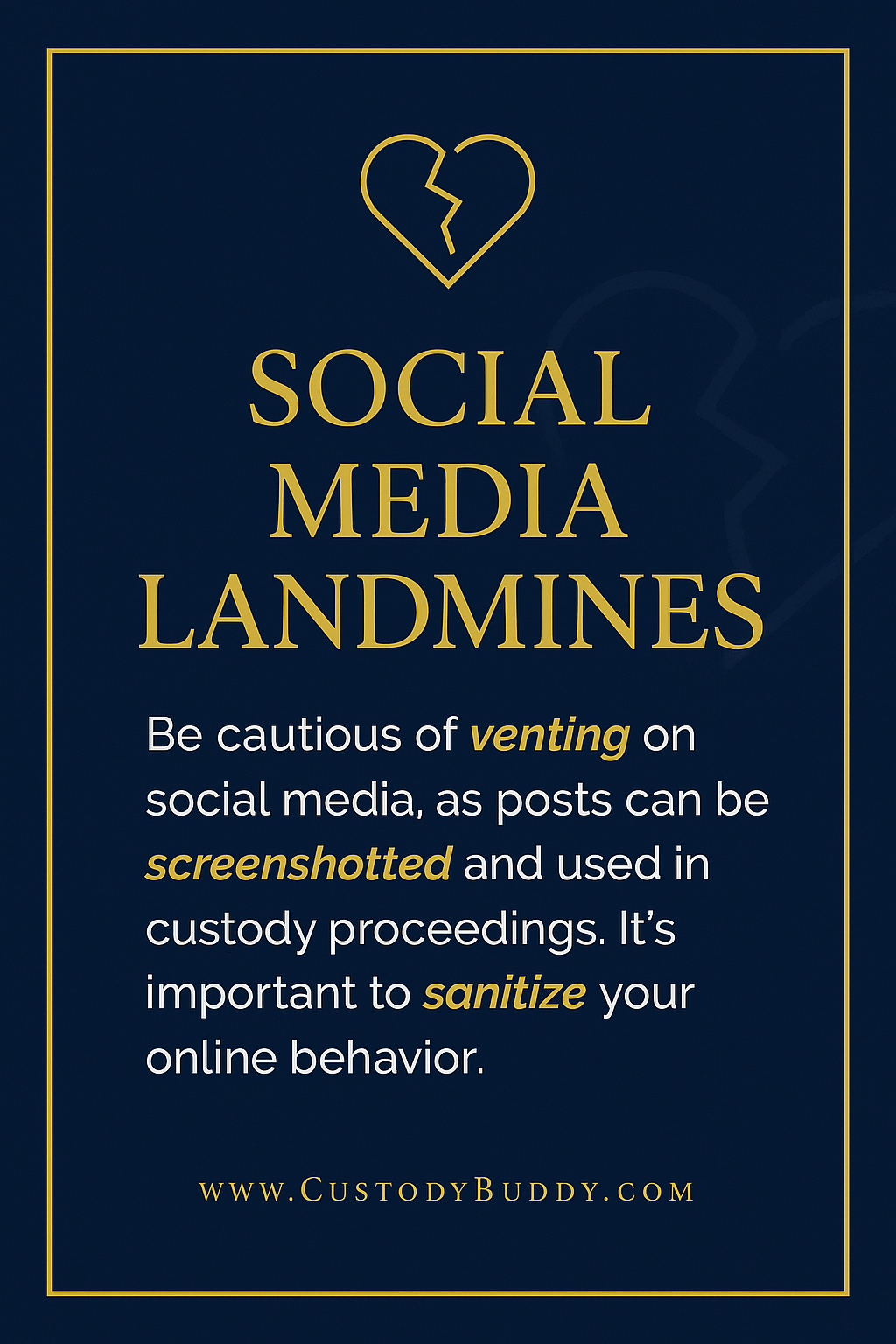
Feeling frustrated is human. But posting your emotional rants about the other parent or the kids’ situation? That’s like handing your opponent a loaded digital weapon. Judges and lawyers aren’t fans of drama—they want stability and maturity.
Here’s the deal: even a quick “ugh, co-parenting is the worst!” post can be twisted into “shows hostility and inability to cooperate.” Not exactly the glowing review you want for your parenting skills, right?
Opposing parties often go full detective mode, scrolling through your profiles to screenshot anything that paints you in a questionable light. Those screenshots? They don’t just disappear with a deleted post—they can become permanent exhibits in court.
Common Social Media Landmines in Custody Disputes
- Anger or frustration bombs: Ranting about the other parent’s behavior? That’s an instant red flag.
- Oversharing private details: Posting custody schedules, children’s personal info, or legal decisions? Privacy alert!
- Questionable photos or videos: Pics showing partying, messy living spaces, or anything that might hint at instability.
- Online drama: Arguing, blocking, or passive-aggressive comments aimed at the other parent can look like harassment.
Why Screenshots Matter More Than You Think
Deleting a regrettable post won’t save you here—because screenshots freeze your digital slip-ups in time. Think of screenshots as the permanent record—once captured, they’re like tattoo ink: not going anywhere.
Courts generally accept screenshots as valid evidence, especially when they’re backed by metadata or witness testimony. Private posts? Doesn’t matter if someone else can see them—you’ve essentially opened the door for evidence to come flooding in.
Strategies for Sanitizing Your Digital Footprint Before and During Custody Battles
1. Social Media Audit 🔍
Start by scrolling back through years of posts like a detective hunting for clues. Don’t forget to check tagged photos and old comments—those can bite you!
2. Remove or Archive Risky Content 🧹
Delete or backup any posts or images that could be interpreted negatively. That party pic with red solo cups? Time to say goodbye.
3. Adjust Privacy Settings Wisely 🔒
Lock down your accounts but avoid an “all private, all of a sudden” vibe which might raise eyebrows. Aim for gradual tightening.
4. Think Twice Before Posting 💭
If it’s about the custody drama, your ex, or the kids’ situation, hit pause. No post is worth jeopardizing your case.
5. Share Positive, Stable Content 🌟
Post pictures and updates that show responsible parenting—quiet family dinners, school events, and moments that reflect calm and care.
Best Practices for Using Social Media Responsibly in Custody Cases
- Avoid online spats with the other parent—it looks messy and immature.
- Keep custody discussions off public platforms. Courtroom is not the place for Twitter drama.
- Stay neutral or positive: Your feed should say “steady and dependable,” not “unstoppable vent machine.”
- Consult your family law attorney about what’s safe to share and what’s best kept offline.
Additional Tips and Tools
- Use third-party apps to monitor your digital footprint and cleanup posts in bulk.
- Document any suspicious or harassing messages carefully—screenshots (yes, again!) with timestamping can help your case.
- Stay calm online. Emotional control translates to credibility in court and peace of mind for you.
Conclusion
In the world of custody disputes, your online self is as much under scrutiny as your offline actions. Treat every post, comment, and photo like it’s a potential courtroom spotlight. By managing your digital footprint thoughtfully, you strengthen your parental reputation and keep the focus where it should be: on what’s best for your kids.
So, before you hit “post,” pause, breathe, and think. Your future self (and judge) will thank you.
Continue Your Family Law Journey
Now that you’ve audited your social media and locked down those risky posts, the next move is arming yourself with Ontario-specific tools to document violations, enforce court orders, and set rock-solid co-parenting boundaries—all while keeping your digital footprint spotless.
These CustodyBuddy resources give you practical templates and guides tailored for family court, helping you prove stability for the kids without the drama of online slip-ups.
Recommended Reads
These books have helped many parents navigate similar challenges. As an Amazon Associate, I earn from qualifying purchases.
Co-Parenting with a Narcissist Ex: A Practical Guide
by Belinda Stone
Offers concrete boundary-setting strategies and practical steps to protect children in high-conflict custody disputes.
Trauma-Informed Parenting in Custody Battles
by Dr. Emily Carter
Integrates child psychology and trauma recovery concepts to support both parents and kids during custody challenges.
High-Conflict Co-Parenting: Legal Strategies and Healthy Boundaries
by Laura M. Stevens
Combines practical legal strategies with emotional resilience guidance for navigating court and post-divorce dynamics.
About the Author
Written and reviewed by Danielle Pike, Founder of CustodyBuddy.com — self-represented litigant, Ontario family law advocate, and legally blind mother of two navigating high-conflict co-parenting in the Ontario court system. Last reviewed: April 2026.
Need to document an incident for court?
The CustodyBuddy Incident Report Generator guides you step by step — Canadian legal classifications, automatic timestamps, and a court-ready export in under 3 minutes.
Legal disclaimer: This article is for educational purposes only and does not constitute legal advice. For advice specific to your situation, consult a qualified Ontario family lawyer or visit CLEO’s Steps to Justice.