Understanding Boundary Violations: Protecting Your Emotional and Legal Well-being
What Are Boundary Violations?
Boundary violations occur when someone deliberately disrespects, ignores, or intentionally crosses established personal, emotional, or legal limits. In co-parenting situations, these violations can be particularly harmful and emotionally damaging.
Recognizing Common Boundary Violations
Boundary violations can manifest in various ways:
- Constant unscheduled communication
- Undermining parental authority
- Emotional manipulation
- Excessive or intrusive questioning
- Disregarding agreed-upon parenting plans
The Impact of Boundary Violations
Toxic boundary crossings can:
- Increase stress and anxiety
- Negatively impact children's emotional well-being
- Create ongoing conflict
- Potentially violate legal custody agreements
Powerful Perspective
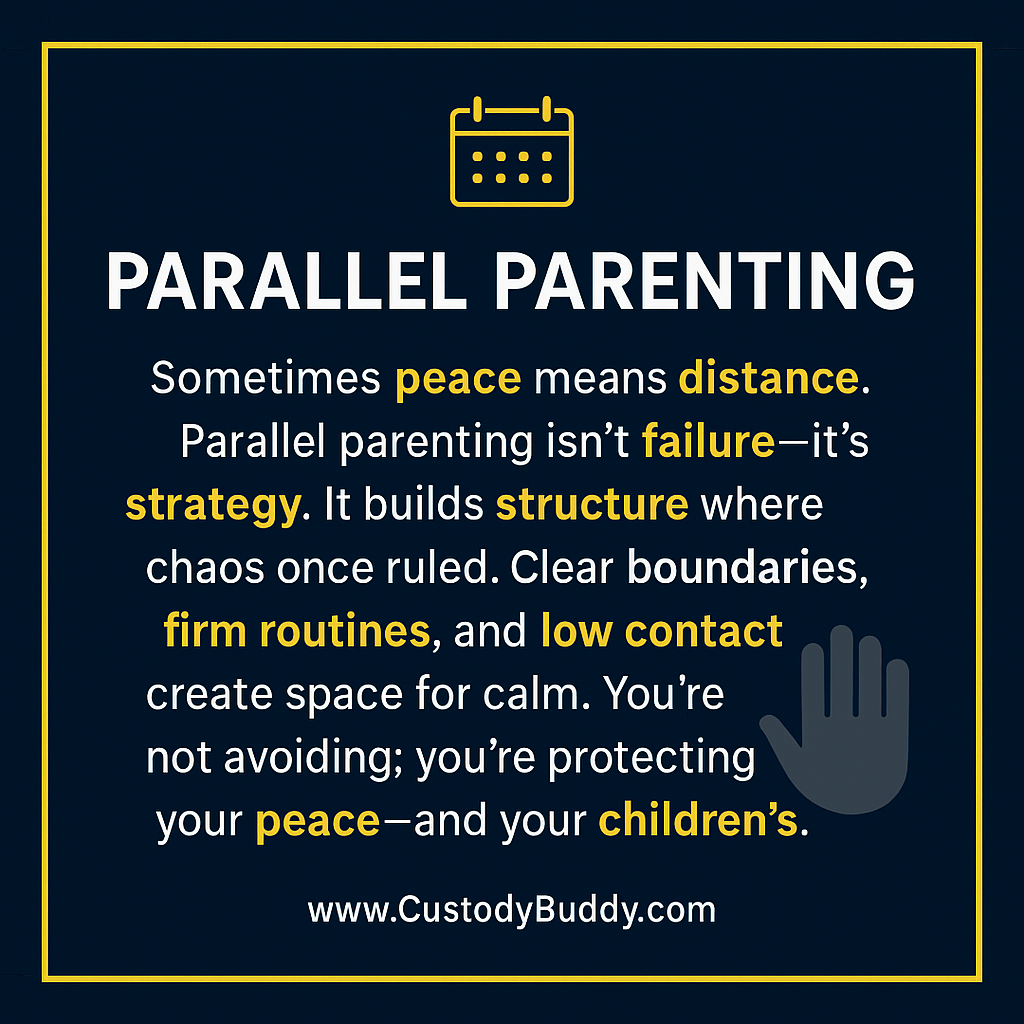
Boundaries aren't selfish—they're sacred. If someone keeps crossing yours, that's not love, that's disrespect. Boundaries aren't walls to shut people out; they're fences to protect your safety and peace. The moment you enforce them, you declare your courage and self-respect.
Strategies for Managing Boundary Violations
- Document all interactions
- Communicate through official channels
- Use clear, concise language
- Seek professional support
- Consider legal intervention if necessary
Canadian Resources for Support
- Family Justice Services Ontario
- Canadian Bar Association – Family Law Section
- Divorce Canada Support Services
Legal and Professional Support
- Consult family law attorneys
- Consider mediation services
- Utilize counseling resources
Additional Support Tools

Visit www.CustodyBuddy.com to learn more about post-separation abuse in family law.
Legal Disclaimer
The information provided in this blog post is for educational purposes only and does not constitute legal advice. Every situation is unique, and readers are encouraged to consult with legal professionals and qualified counselors for personalized guidance specific to their circumstances.
Recommended Next Steps
- Keep communication documented
- Prioritize children's emotional well-being
- Seek professional guidance
- Maintain consistent, respectful boundaries
About the Author
Written and reviewed by Danielle Pike, Founder of CustodyBuddy.com — self-represented litigant, Ontario family law advocate, and legally blind mother of two navigating high-conflict co-parenting in the Ontario court system. Last reviewed: April 2026.
Need to document an incident for court?
The CustodyBuddy Incident Report Generator guides you step by step — Canadian legal classifications, automatic timestamps, and a court-ready export in under 3 minutes.
Legal disclaimer: This article is for educational purposes only and does not constitute legal advice. For advice specific to your situation, consult a qualified Ontario family lawyer or visit CLEO’s Steps to Justice.