
Digital Paper Trails: How Metadata Can Make or Break Your Case
In the age of digital communication and online documentation, the details that reside in the background—metadata—can play a significant role in family law. Understanding metadata in family law evidence is essential for parents who are navigating custody battles. Let’s delve into the importance of timestamp verification, the digital chain of custody, and how these elements can significantly influence your case.
Understanding Metadata: The Unsung Hero of Digital Evidence
Metadata is essentially data about data. It provides key information about digital files, such as when a file was created, modified, and accessed. Think of it as a digital fingerprint that can trace a document’s journey through various states. In family law, this can be tremendously impactful.
- What it includes: File creator, modification dates, file size, types of access.
- Why it matters: Helps establish a timeline, verify authenticity, and strengthen claims.
The Power of Timestamp Verification
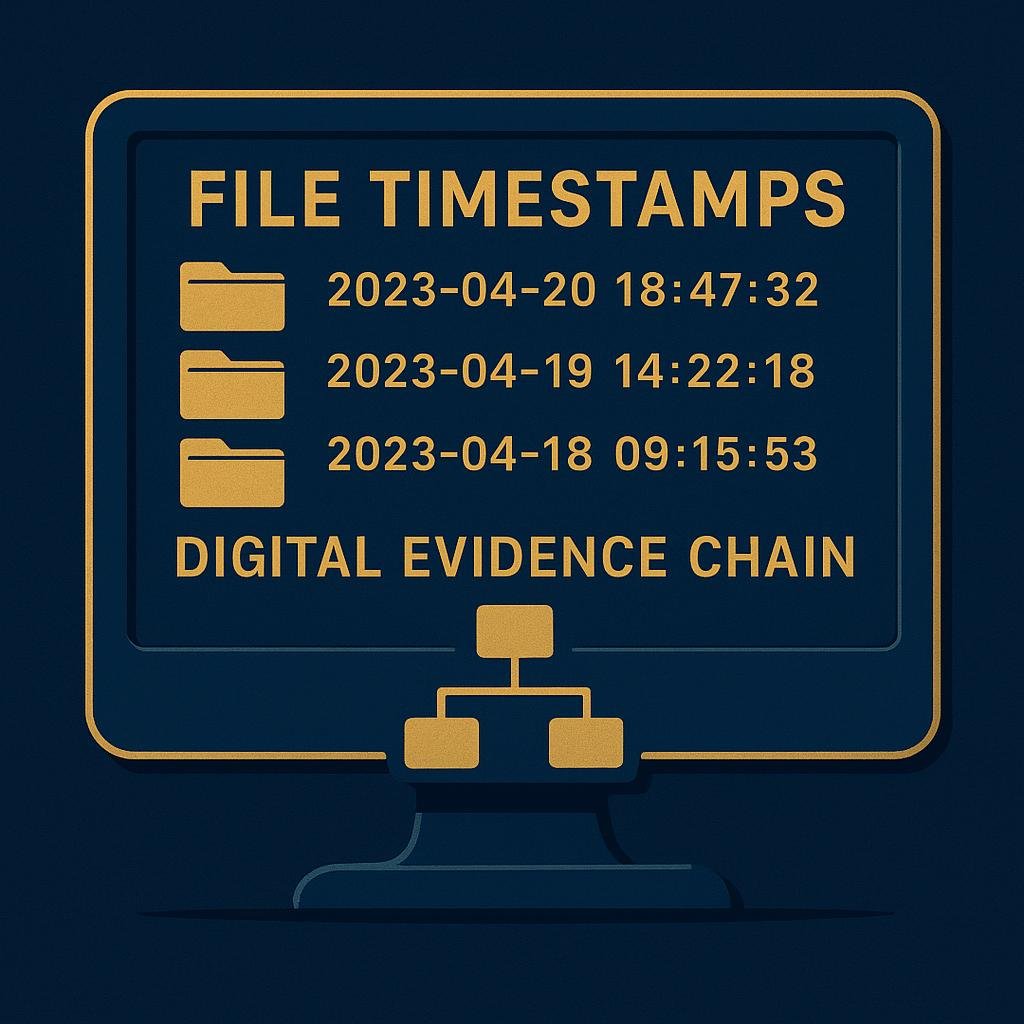
When presenting digital evidence in family law, one core component is timestamp verification. A timestamp can indicate:
- When a photo was taken, a message sent, or a document edited.
- Whether the data has been altered or is in its original state.
In custody cases, the juxtaposition of timestamps becomes vital. For example, if a parent claims they were caring for the child at a specific time, but their social media posts show them elsewhere, timestamp evidence can clarify the truth.
Practical Tips for Timestamp Verification
- Keep original files: Always retain the original files and avoid making unnecessary edits.
- Use trusted platforms: Utilize reputable platforms for sharing files; they often preserve metadata.
- Take screenshots: When sharing digital conversations, ensure to include timestamps in your screenshots.
Understanding Digital Chain of Custody
The concept of a digital chain of custody is critical. Much like a physical chain of custody, where evidence is tracked and documented throughout a legal process, the digital chain must ensure that the integrity of the data remains intact. Here’s how.
- Document Transfers: When handing over evidence, always document who is receiving it and when.
- Secure Storage: Keep digital files in secure locations to prevent tampering.
- Use Metadata to Your Advantage: Ensure that all metadata is intact during transfers and make a copy for your records.
A well-documented chain of custody can make your evidence almost undeniable in court. If metadata indicates a file hasn’t been accessed since the event in question, it offers a much stronger claim than one without such documentation.
Case Studies: Real-World Implications
Let’s look at a couple of examples that showcase how metadata and digital chain of custody come into play.
- Case Study 1: Social Media Posts
A parent claimed they were not present during a pivotal event. However, a timestamped photo on their social media documented their location, ultimately influencing the court’s perception. - Case Study 2: Email Time Stamps
An email exchange was used in a custody battle to prove that one parent had made specific allegations against the other, backed by timestamped evidence that aligned with witness statements.
In both cases, the impact of clear metadata was the difference between ambiguity and resolution.
How to Utilize Metadata for Your Case
With the knowledge of how vital metadata in family law evidence is, here are actionable steps you can take to leverage this information:
- Document Everything: Whether it’s emails, text messages, or photos. Keep all evidence organized and preserved.
- Consult Experts: If you’re unsure how to retrieve or present metadata, consider hiring a digital forensic expert.
- Stay Informed: Laws can vary by jurisdiction. Familiarize yourself with your local regulations regarding digital evidence.
In today’s technology-driven world, metadata can seem like a hidden puzzle, but it’s essential to solving the challenges of family law cases. Understanding how to document your evidence properly and utilize metadata will empower you as a parent during the custody process.
As you move forward with your case, keep in mind the importance of maintaining proper digital documentation. If you’ve had experiences regarding metadata and custody battles, we invite you to share your thoughts in the comments. Let’s help each other navigate this challenging journey.
For more insights on how to handle custody issues effectively, visit us at CustodyBuddy.com.
Legal Disclaimer: This blog post offers general legal information and should not be construed as legal advice. Consult with a qualified attorney for personalized advice relating to your specific circumstances.
About the Author
Written and reviewed by Danielle Pike, Founder of CustodyBuddy.com — self-represented litigant, Ontario family law advocate, and legally blind mother of two navigating high-conflict co-parenting in the Ontario court system. Last reviewed: April 2026.
Need to document an incident for court?
The CustodyBuddy Incident Report Generator guides you step by step — Canadian legal classifications, automatic timestamps, and a court-ready export in under 3 minutes.
Legal disclaimer: This article is for educational purposes only and does not constitute legal advice. For advice specific to your situation, consult a qualified Ontario family lawyer or visit CLEO’s Steps to Justice.