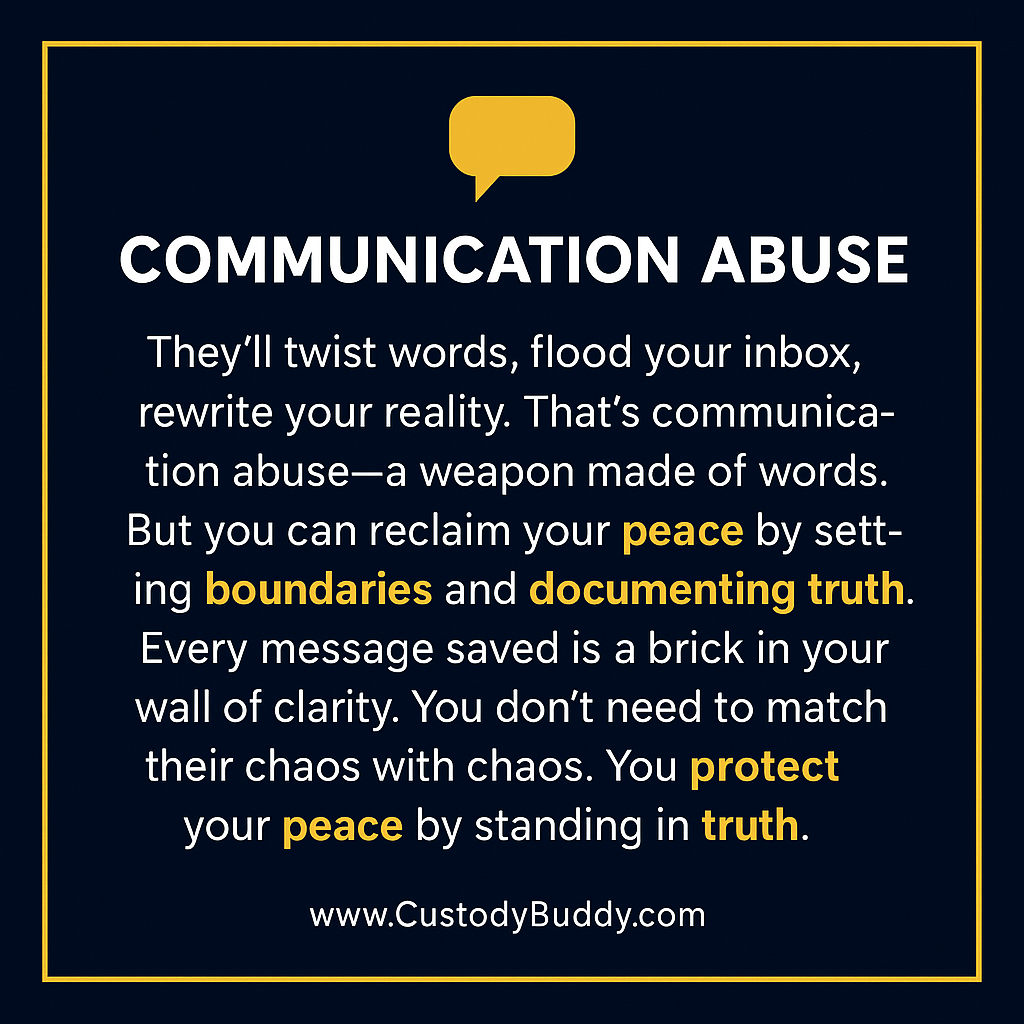
When the Hurt Doesn’t Bruise
You can’t see it on an X-ray, and nobody’s showing up at the ER with a “shattered confidence” diagnosis—but make no mistake, psychological abuse hits hard. It chips away at your sense of self like a toddler with a marker on white walls. Slowly. Quietly. And absolutely infuriatingly.
High-conflict custody battles? Been there. Toss in a toxic ex or a champion-level manipulator, and yeah—it’s like emotional dodgeball 24/7. But there’s good news: recognizing the emotional shrapnel is the first—and fiercest—step toward reclaiming your voice, power, and that sweet thing called peace.
The Trickster Nature of Psychological Abuse
This Isn’t Just “Mean Words”
Let’s be clear: psychological abuse isn’t someone simply being a jerk (although that’s definitely part of the flavor). It’s a pattern—a toxic greatest hits album—of manipulation, control, isolation, threats, and mind-muddling gaslighting. Honestly, it’s like emotional sabotage dressed in business casual.
Common moves include:
- Withholding affection—or access to your kids—unless you “behave”
- Second-guessing your memory so much you start Googling “Am I losing it?”
- The Silent Treatment: That fun moment where Siri talks to you more than your co-parent does
You Can’t See It, But You Feel It
Left unchecked, this kind of abuse isn’t just exhausting—it’s emotionally radioactive. Victims can experience everything from chronic anxiety and crushing self-doubt to PTSD and full-on burnout.
And—yep—kids soak up that atmosphere. According to the Canadian Centre for Child Protection, children in emotionally abusive homes face serious and lasting emotional harm. So if your gut says “something’s off,” trust it. Instincts don’t lie… manipulative exes do.
Spot the Red Flags (Even When They’re Wearing Pastels)
Things That Seem Nice But Definitely Aren’t
Psychological abuse isn’t always served with yelling and dark clouds. Sometimes, it comes with a side of “concern.” You’ve probably heard things like:
- “I’m just worried the kids might pick up bad habits around your friends…”
- “Are you sure you can manage them during your week? You’ve always been a little overwhelmed.”
Translation: “Let’s keep you second-guessing yourself so I stay in control.” Cute, right?
Other Sneaky Signs to Watch For
- “Helpful” advice that actually belittles your parenting
- Minimizing your achievements (or straight-up taking credit)
- Micromanaging your whereabouts under the guise of “co-parenting transparency”
- Always playing the victim, even when they’re the one setting fires
Gut-Check Questions
- Do you feel nervous before sending a simple co-parenting text?
- Are you constantly coaching your words to avoid an explosion—or worse, silence?
- Have your friendships shrunk like laundry in hot water?
If any of these made your stomach drop… yeah. That’s the flag. You’re not “too sensitive.” You’re just tuned in to self-preservation.
Your Comeback Starts with You
Trust That Voice Inside
If gaslighting had its way, you’d think your intuition was a scam. But it’s not—it’s your internal GPS. Start small by noticing how you feel before and after parenting choices. Feel good about hugging your child goodbye at school? Log it. Feel drained after negotiating bedtime by text? Log that too.
(Yes, we said “log it”—hello, journal. Your new BFF.)
Build Your Bounce-Back Muscles
Resilience isn’t about being unbreakable—it’s being fully human and letting your comeback game surprise even you. Try:
- Five quiet minutes before bed (no, not scrolling—real silence)
- Journaling… unedited, unfiltered, unapologetic. Start with: “What do I actually know to be true about myself as a parent?”
No pressure to write like Shakespeare. Think more “texting your future self a friendly pep talk.”
Connect with People Who Get It
Surviving emotional abuse in a custody battle? That’s Olympic-level tough. But you don’t have to train alone. Find your crew—whether it’s a therapist who speaks fluent “trauma-informed,” a survivor support group, or just a friend who validates instead of judges.
Because spoiler: Your strength is easier to see when it’s reflected by someone who honors it.
Time to Rewrite the Script
Chuck the Labels. Keep the Lessons.
You are not “dramatic,” “too emotional,” or “difficult.” (OK, you might be difficult when people order pineapple on pizza—but who isn’t?)
Seriously though—it’s time to toss out the garbage script your abuser’s been writing in your name and reclaim the pen.
Self-affirmations aren’t cheesy—they’re courageous. Try these on for size:
- I am a solid, devoted, and growing parent.
- I’m allowed—no, entitled—to set boundaries that preserve my sanity.
- My experiences are real and my voice matters.
Speak Up in Your Own Way
You don’t have to hop on TikTok with a vulnerability monologue (unless that’s your thing). Sharing your truth can start small. A text to a trusted friend. A support group thread. Even a whispered “that happened” in front of your mirror.
Each time you share—even a little—you break away from shame and step into truth. There’s power in that. Magic, even.
Continue Your Family Law Journey
Resources matter because practical tools, documented steps, and trusted support turn insight into action—helping you protect your peace while navigating high-conflict custody. The right resource lights the path from uncertainty to clear decisions that honor your truth and your children.
- CustodyBuddy Resources page
- BC Society of Transition Houses – bcsth.ca
- Book: “The Gaslight Effect” by Dr. Robin Stern
- Hotline: Canadian Crisis Services – Text 686868 any time
- Journal Prompt: What would I say to a friend going through what I’ve been through?
Quick Pep Talk Before You Go
If this hit home? That means you’re listening to yourself—and that’s huge. Healing isn’t about being flawless. It’s about being real, brave, and grown-up enough to say: “Yeah, that was hard… and yet, here I am.”
You are not alone. Not broken. Not too late.
You’re a beautifully human work-in-progress. And no, your co-parent doesn’t get the final say in your story—you do.
Next Stop: Support & Strategy
Check out our Resource Hub for tools that help with documenting contact, setting healthy boundaries, and organizing your co-parenting game—all while keeping your sanity intact. Because healing and planning? Total dream team.
This article provides emotional support strategies, not legal advice. For direction on your specific custody case or parental rights, please speak with a qualified legal professional in your area.
Recommended Resources
These books have helped many parents navigate similar challenges. As an Amazon Associate, I earn from qualifying purchases.
The Gaslight Effect
by Dr. Robin Stern
This book offers insight into the manipulative tactics of gaslighting, helping parents recognize and break free from emotional abuse.
Splitting: Protecting Your Business and Your Sanity While Divorcing a High-Conflict Person
by Bill Eddy
This practical guide equips parents with strategic approaches for navigating high-conflict divorces while maintaining their emotional well-being.
Co-Parenting With a Hostile Ex
by Elizabeth S. Thayer
This book provides actionable strategies for co-parents managing relationships with manipulative or hostile ex-partners to ensure a healthy environment for their children.
About the Author
Written and reviewed by Danielle Pike, Founder of CustodyBuddy.com — self-represented litigant, Ontario family law advocate, and legally blind mother of two navigating high-conflict co-parenting in the Ontario court system. Last reviewed: April 2026.
Need to document an incident for court?
The CustodyBuddy Incident Report Generator guides you step by step — Canadian legal classifications, automatic timestamps, and a court-ready export in under 3 minutes.
Legal disclaimer: This article is for educational purposes only and does not constitute legal advice. For advice specific to your situation, consult a qualified Ontario family lawyer or visit CLEO’s Steps to Justice.