Supervised Visitation: Prioritizing Safety and Heartfelt Connections
Let’s bust a myth right out of the gate: supervised visitation is not a punishment. It’s not a scarlet letter, a court’s way of wagging its finger, or a scene from a reality show called “Co-Parenting Confusion.”
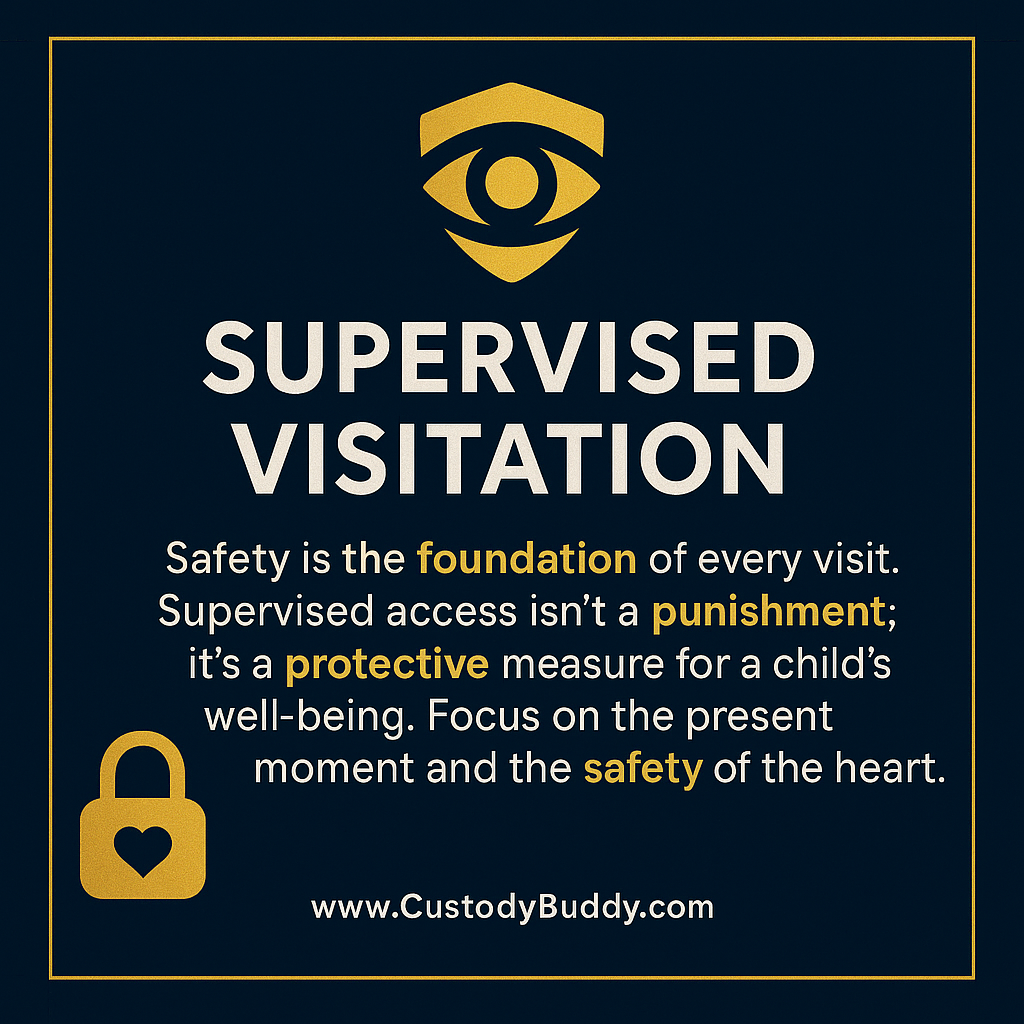
Supervised visitation is a thoughtful and supportive framework that helps kids maintain meaningful relationships—while keeping everyone safe and sound (and emotionally intact). So, yes, safety is the guest of honor at every visit, but connection? That’s the real star of the show.
Understanding Supervised Visitation
Supervised visitation means that a parent can spend time with their child while a neutral third party is present. This is usually ordered by the court when there are concerns—whether temporary or long-term—about safety, stability, or emotional well-being.
Common Myths = Busted
- Myth: “It’s a punishment.”
Reality: It’s a safeguard. Think of it like training wheels—it doesn’t mean you’ll always need them, just that for now, they help keep things upright. - Myth: “The visiting parent must be dangerous.”
Reality: Many parents in supervised visitation love their children deeply but are navigating a tough chapter—for now. - Myth: “It damages the parent-child bond.”
Reality: When done right, it can actually strengthen it—yes, even with eyes watching.
The Importance of Safety During Visits
Let’s be honest: no heartfelt hug or loving moment can take place if someone is worried the environment isn’t safe. Safety is the backbone of every supervised visit—it’s what allows connection to blossom without fear.
What Does That Look Like?
- Trained supervision: Professionals know what to look for—both hidden hazards and emotional red flags.
- Consistent protocols: Bag checks, arrival routines, and ground rules aren’t there to cramp the vibe; they keep it groovin’ safely.
- Real-time support: Supervisors can intervene if things escalate—and help cool things down before they reach DEFCON Tantrum.
Supervised Visitation as a Protective Measure
Imagine a safety net woven from rules, care, and early interventions. That’s what supervised visitation provides—a protective space where the goal isn’t just to avoid harm, but to encourage real, restorative connection.
Real-Life Impacts
- A child who has witnessed conflict can ease back into a relationship at their pace.
- A parent working through recovery or instability can stay connected while rebuilding trust.
- One family observed that their toddler went from clinging to crying—then smiling and playing—after just a few structured visits.
Positive outcomes don’t always start with fireworks—sometimes, they look like a simple game of Go Fish that ends in giggles instead of stress.
Focusing on the Present Moment
Here’s the secret sauce: be present. No phones, no stressing about what-ifs, and no trying to win “Parent of the Year” by overcompensating. Just be here, now, with your child.
Tips to Make It Count
- Be playful: Break out puzzles, build forts, or recreate that dance party you regret posting on TikTok.
- Start small: A high-five can be a bridge. So can coloring, pretend tea parties, or asking questions like, “What’s your superhero name?”
- Let the supervisor help: They’re not there to judge—they’re a built-in co-pilot ready to support connection, not block it.
Nurturing Emotional Safety – The Safety of the Heart
We’ve talked logistics—but let’s zoom in on emotional safety. If a kid can be physically safe yet scared to be vulnerable, we’ve missed the mark. That’s where the true magic of supervised visitation shines: heart safety.
Creating Calm, Loving Spaces
- Be consistent: Show up, be on time, follow the guidelines. Kids notice.
- Model calm: Even if your insides feel like a microwave burrito, let your voice and tone stay warm and steady.
- Give reassurance: Say things like, “I love spending time with you,” or “I’m proud of you.” Bonus points if there’s a goofy animal voice involved.
Kids don’t need a perfect parent—they need a safe one. A goofy, flawed, gentle one who means what they say.
Encouraging Growth and Healing
This isn’t just about making it through a court order—it’s a chance to plant seeds. The memory of a positive, consistent visit can sprout long after the hour is over.
Focus on the Future
- Build traditions: “We always draw a family photo!” …even if someone ends up with green hair.
- Celebrate small wins: Shared laughter, cooperation, even a “See you next time!” can be victories.
- Visualize with your child: “One day, wouldn’t it be fun to cook spaghetti together at home?”
Hope is not cheesy. It’s the spark that keeps families moving forward, one supervised visit at a time.
Conclusion
Supervised visitation isn’t about judgment—it’s about protection, connection, and restoration. It’s a structure designed not to punish, but to support. To make each moment safe enough for love to sneak in and stay awhile.
If you’re navigating supervised visits, take heart—these moments matter. Beneath the rules and routines beats something timeless and powerful: the love between child and parent.
Continue Your Family Law Journey
If supervised visitation is part of your family’s path forward, practical resources can help you enforce orders, document concerns, and build stability for your child while visits continue in a safe, supervised setting.
These next steps make sense after learning how supervised visitation protects both physical safety and the “safety of the heart”: use trusted guides to understand court requirements, track incidents or progress, and find support that strengthens each visit’s positive impact.
- Understanding Supervised Visitation in Georgia Law – Safe Spaces
- SUPERVISED VISITATION SERVICES POLICIES AND … – FRC SVC
- SUPERVISED VISITATION SERVICES POLICIES AND … (center procedures)
- Visitation/Supervised Visitation | The Maryland People’s Law Library
- Standard 5.20. Uniform standards of practice for providers of … – CA Courts
- Supervised Visitation Under Child Custody Laws – Justia
Let’s Keep the Conversation Going
- Have you experienced supervised visitation? Share your thoughts or encouragement in the comments below—others are listening.
- Need help or more info? Reach out to local organizations or legal support centers to better understand your rights and options.
This is coaching advice, not legal advice. For personalized guidance specific to your situation, consult a licensed attorney or family law professional.
Recommended Resources
These books have helped many parents navigate similar challenges. As an Amazon Associate, I earn from qualifying purchases.
“`html
Divorce Poison (With a New Introduction) by Dr. Richard A. Warshak
This book provides insights into the impact of high-conflict divorce on children and offers strategies for co-parents to navigate these challenges while prioritizing the well-being of their children.
Not Just Friends by Dr. Janice M. Spring
Dr. Spring’s work delves into the complexities of relationships post-separation and offers guidance on how to rebuild trust and healthy communication between co-parents.
The Emotionally Abusive Relationship by Barbara Steffens
This book addresses the dynamics of emotional abuse and provides practical advice for individuals seeking to heal and establish boundaries in their co-parenting relationships.
“`
About the Author
Written and reviewed by Danielle Pike, Founder of CustodyBuddy.com — self-represented litigant, Ontario family law advocate, and legally blind mother of two navigating high-conflict co-parenting in the Ontario court system. Last reviewed: April 2026.
Need to document an incident for court?
The CustodyBuddy Incident Report Generator guides you step by step — Canadian legal classifications, automatic timestamps, and a court-ready export in under 3 minutes.
Legal disclaimer: This article is for educational purposes only and does not constitute legal advice. For advice specific to your situation, consult a qualified Ontario family lawyer or visit CLEO’s Steps to Justice.