
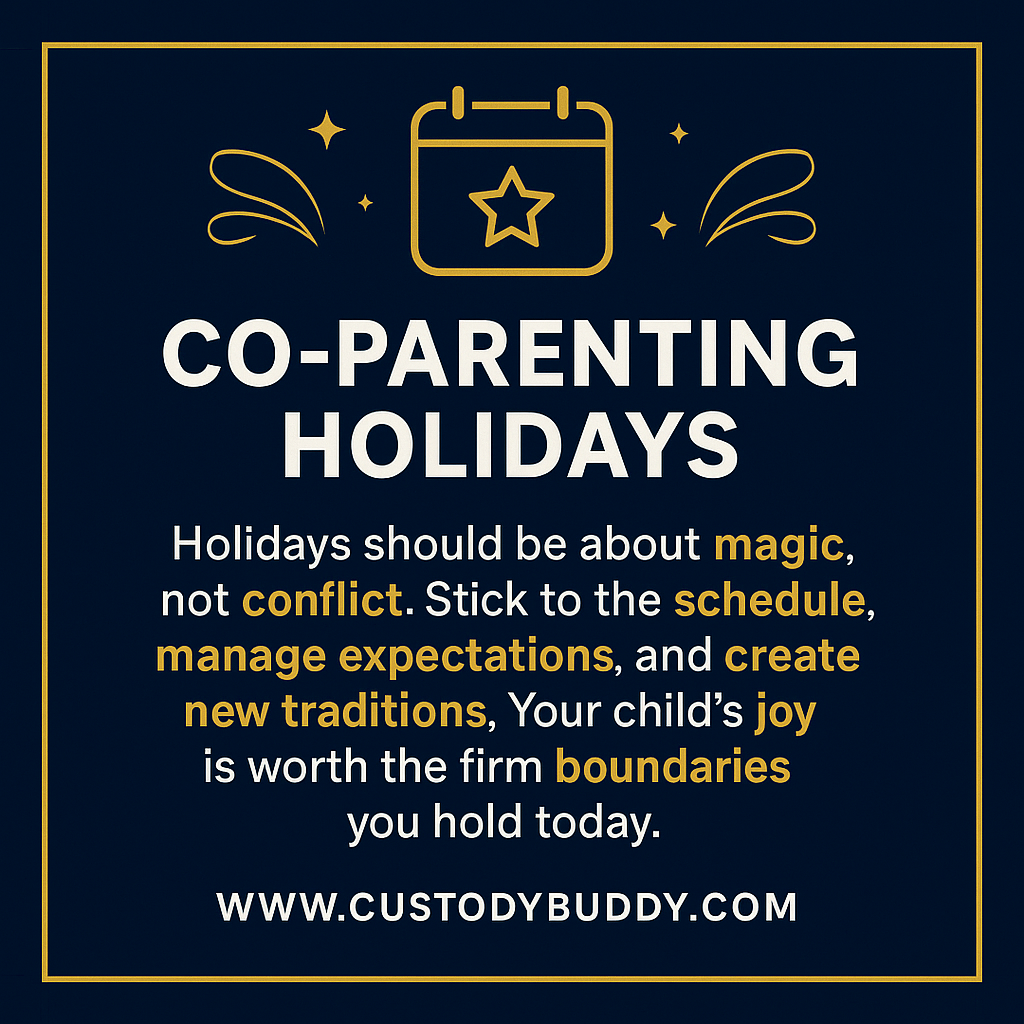
Holiday Boundaries: Embrace the Magic, Avoid the Conflict
Ahhh, the holidays. That time of year when the air smells like cinnamon, the sweaters itch just right, and everyone suddenly has a strong opinion on what time you should arrive for dinner. As one wise child once declared: “It’s not Christmas until someone cries in the mashed potatoes.”
It really is the most magical time of year… unless that magic gets steamrolled by chaos. Between the overcooked schedules, sky-high expectations, and Great Aunt Linda’s annual inquisition about your relationship status, it’s a recipe for stress with a holiday bow on top.
But here’s the golden ticket: you can absolutely enjoy the wonder and sparkle while protecting your peace (and your mashed potatoes). It all starts with one simple superpower—boundaries.
The Importance of Setting Boundaries During the Holidays
Boundaries during the holidays aren’t about being the Grinch who ghosted Christmas. Think of them more like festive fences—keeping the joy in and the nonsense out.
Holiday boundaries are personal limits or preferences designed to protect your time, energy, finances, and relationships during a season that likes to do the most.
Common holiday conflict contributors:
- Trying to be everywhere for everyone (time travel still pending invention)
- Overspending to “keep up” (your wallet is waving a white flag)
- Blending family expectations like it’s a superhero crossover episode
The bright side? Boundaries help you:
- Reduce stress and guilt
- Create meaningful, memorable moments
- Model healthy habits (your future self and your kids will thank you)
Sticking to the Schedule
If your calendar is packed tighter than Santa’s sleigh on December 24, it might be time for a reality check—preferably with a mug of cocoa in hand.
Create a Jingle Bell-Friendly Calendar
- Plan key events early and build in plenty of wiggle room
- Color-code family, work, and personal time—rainbow your way to sanity
- Leave some white space (translation: naps are not optional)
Handle Clashing Invitations Like a Pro
Practice your “no” with kindness and confidence. Try:
- “We’d love to, but we’re already booked. Let’s catch up in January!”
- “Thanks for thinking of us! We’re keeping things low-key this year.”
Remember: saying no to one thing means saying yes to your sanity.
Don’t Forget the Star of the Show—You
If your idea of self-care is hiding in the pantry with a candy cane… let’s upgrade that. Protecting downtime, emotional energy, and personal joy is key. You can’t pour from an empty sleigh!
Managing Expectations
Holidays come with a lot of traditions and, if we’re honest, a few episodes of passive-aggressive gift-giving. But not every request needs a red bow of approval.
Start With Clear, Honest Conversations
- Give relatives a heads up on plans and limits—early and often
- Set tone and timing expectations for dinners, gifts, and visits
- Reject guilt as a holiday accessory; it never pairs well
Simplify Gifting (for Real)
- Budget as a family and stick to it—those flash sales aren’t personal
- Consider experience gifts, handmade items, or a family gift exchange to keep things simple and intentional
Model the Meaning of the Season
Kids are little joy sponges. Show them that the holidays are about love, connection, and creating memories—not the number of presents under the tree. Let them help bake cookies, shake glitter into ornaments, or serve cocoa with marshmallows stacked higher than your expectations.
Even if your “perfect holiday” looks different from last year—or from your neighbor’s 47-piece outdoor light display—it’s still magical, because it’s yours.
Creating New Traditions
What if the best tradition is one you haven’t made up yet?
Permission to Break the Cookie Mold
Holidays are richer when they reflect real, current, genuine family dynamics—not an outdated Norman Rockwell painting with questionable gender roles.
Try These Low-Stress Traditions
- “Pajamas & Pancakes” Christmas Eve breakfasts
- Holiday movie marathons with popcorn for dinner (yes, dinner)
- Kindness scavenger hunts or “Secret Sweetie” gift exchanges
Let the Kids Take the Sleigh Reins
Involve children in deciding what traditions to keep, skip, or start. They’ll feel empowered, listened to, and may even create something better than adults ever imagined—holiday dance party, anyone?
New traditions also work wonders for blended families, co-parenting setups, or those experiencing change or loss. Flexibility + creativity = peace and joy.
The Long-term Value of Firm Holiday Boundaries
Let’s be real—this isn’t just about surviving one holiday season. It’s about building a life where holidays feel good for everyone involved (even the in-laws, maybe).
- Kids learn boundaries when they see them modeled—you’re teaching emotional intelligence with every calm “no thanks.”
- Family members learn what to expect—and eventually respect.
- You protect your own energy, so you don’t spend the new year recovering in a stress coma.
And guess what? Boundaries aren’t stagnant. Revisit what worked (and what backfired like a burnt gingerbread house) each year to fine-tune your plan moving forward.
Conclusion
A boundary-friendly holiday season doesn’t just keep the Grinch away—it gives your family room to breathe, connect, and savor the real magic of this time of year. The memories that matter most aren’t about presents or Pinterest-ready place settings. They’re about peace, laughter, and love wrapped up in authenticity.
Got boundary tips of your own? Drop them in the comments—we’re all in this sleigh ride together!
Download our free Holiday Boundary Planner to map out your schedule, expectations, and new traditions with ease.
Continue Your Family Law Journey
When holiday plans bump up against custody arrangements, financial limits, or emotional triggers, having ready-made tools can turn a tense moment into a calm, enforceable choice that protects your children’s stability and your peace of mind.
These resources are the natural next step after setting boundaries—they help you document agreements, communicate firm-but-kind limits with co-parents and relatives, and build traditions that prioritize safety and joy for your family.
- Setting Family Boundaries During the Holidays – Your Parenting Mojo
- Navigate Family Conflict During Holidays – Baltimore Therapy Group
- Boundaries for the Holidays – Better Boundaries Workbook
- Managing Holiday Family Conflicts and Building New Traditions – Mind24-7
- 5 Boundaries to Put in Place Before Holiday Gatherings – Crosswalk
This article offers coaching and personal development guidance. It is not a substitute for legal advice or professional counseling. For personalized legal support around custody agreements or family law matters, please consult a qualified family law attorney in your area.
Recommended Resources
These books have helped many parents navigate similar challenges. As an Amazon Associate, I earn from qualifying purchases.
“`html
“`
About the Author
Written and reviewed by Danielle Pike, Founder of CustodyBuddy.com — self-represented litigant, Ontario family law advocate, and legally blind mother of two navigating high-conflict co-parenting in the Ontario court system. Last reviewed: April 2026.
Need to document an incident for court?
The CustodyBuddy Incident Report Generator guides you step by step — Canadian legal classifications, automatic timestamps, and a court-ready export in under 3 minutes.
Legal disclaimer: This article is for educational purposes only and does not constitute legal advice. For advice specific to your situation, consult a qualified Ontario family lawyer or visit CLEO’s Steps to Justice.