Impact of Bill C-223 on Fathers’ Custody Rights in Canada
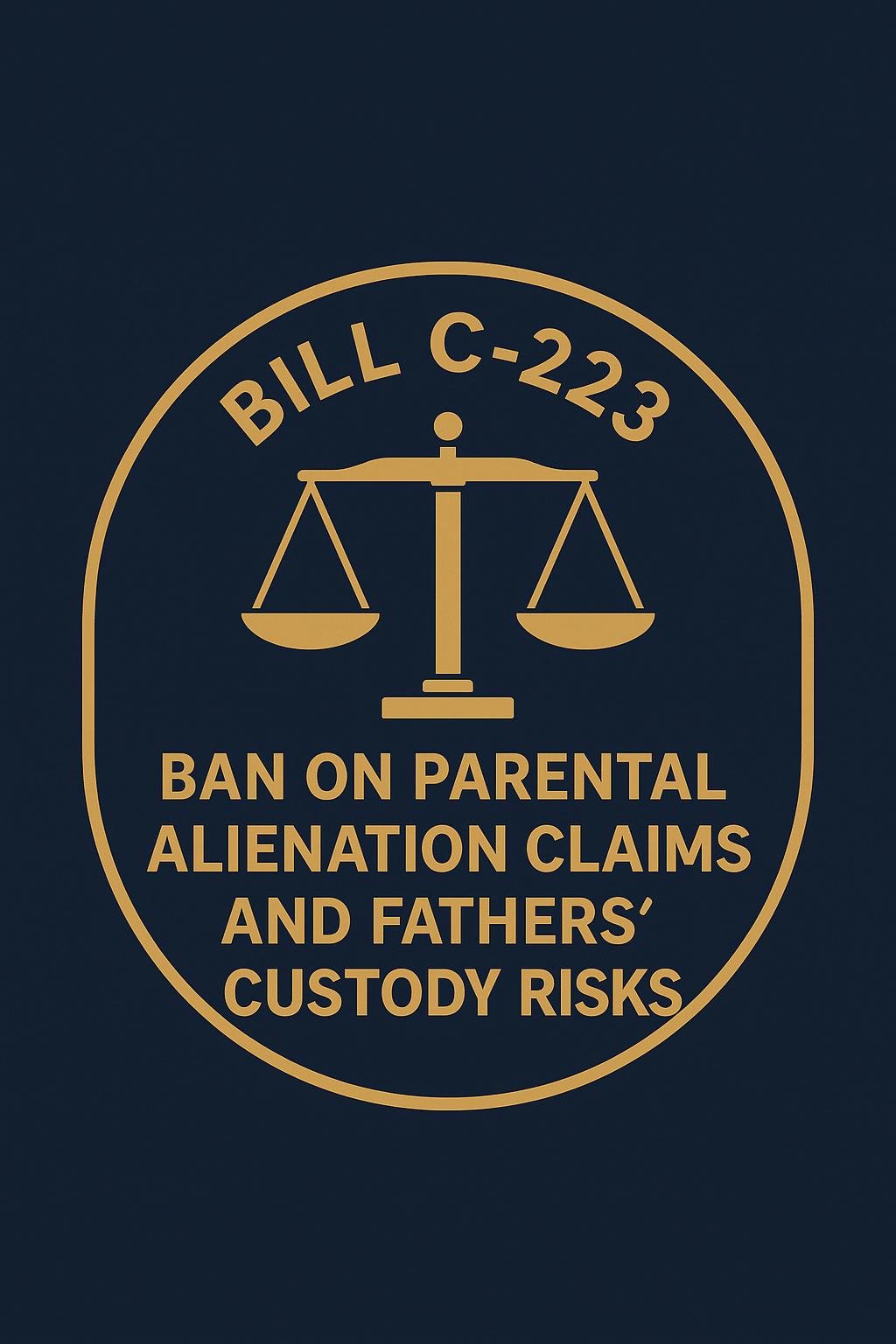
An analysis of how Bill C-223 impacts fathers’ custody battles in light of new restrictions on parental alienation claims in Canada.
Executive Summary
- Bill C-223 bans parental alienation claims in custody cases.
- Fathers must demonstrate involvement through other legal strategies.
- Focus on providing evidence of active parenting and engagement.
- This guide outlines steps and resources for navigating the new landscape.
Introduction
Bill C-223 has recently stirred a conversation among Canadian parents and legal professionals for its significant changes regarding parental alienation claims. This legislative update restricts the use of parental alienation as a legal argument in custody battles, raising concerns among fathers about the implications for custody outcomes.
Understanding Parental Alienation
Parental alienation refers to a situation where one parent psychologically manipulates a child to reject the other parent, often seen in the context of custody disputes. This concept has been used historically by fathers to argue against being unfairly stripped of their parenting rights.
Key Provisions of Bill C-223
Bill C-223 eliminates parental alienation claims from being a decisive factor in custody rulings. The rationale behind this change is rooted in concerns over misuse and the potential harm to children’s mental health from being subjected to these kinds of evaluations.
Implications for Fathers
Custody Challenges
Fathers who previously relied on parental alienation claims might now find themselves at a strategic disadvantage. As judges can no longer consider these claims, fathers need to find alternative approaches to demonstrate their involvement and suitability as caregivers.
Navigating the New Legal Landscape
Fathers should focus on substantive proof of being an adequate parent. This can include consistent evidence of involvement in the child’s schooling, healthcare, and social activities. Keeping a meticulous record of involvement might offer tangible evidence to support custody claims.
Alternative Strategies for Fathers
To adapt to this legislative shift, fathers should consider pursuing the following:
- Ensure active participation in all aspects of the child’s life and document this involvement comprehensively.
- Work with a legal expert experienced in family law who can provide guidance on navigating cases without relying on parental alienation claims.
Resources for Assistance
Official details on family law in Canada and recent legislative changes.
A practical guide to family law challenges and custody arrangements.
Information and resources for British Columbia families undergoing custody disputes.
Comprehensive resources and guidance for family disputes in Alberta.
FAQ
- What exactly is Bill C-223? Bill C-223 is a legislative update that bans the use of parental alienation claims in custody cases.
- How do I prove parental involvement? Document your involvement in the child’s education, healthcare, and daily activities.
- What are alternative strategies for custody cases? Focus on demonstrating active parenting and work with a knowledgeable family law attorney.
- Why was Bill C-223 introduced? To prevent misuse of parental alienation claims and to safeguard children’s mental health.
- Where can I find more resources? Refer to the resources section above or consult with legal experts in your province.
Legal Disclaimer: This article is intended for informational purposes only and should not be considered as legal advice. Legal matters are complex and vary by jurisdiction. It is recommended to consult with a licensed attorney for advice specific to your situation. In emergencies, please contact appropriate services immediately.
About the Author
Written and reviewed by Danielle Pike, Founder of CustodyBuddy.com — self-represented litigant, Ontario family law advocate, and legally blind mother of two navigating high-conflict co-parenting in the Ontario court system. Last reviewed: April 2026.
Need to document an incident for court?
The CustodyBuddy Incident Report Generator guides you step by step — Canadian legal classifications, automatic timestamps, and a court-ready export in under 3 minutes.
Legal disclaimer: This article is for educational purposes only and does not constitute legal advice. For advice specific to your situation, consult a qualified Ontario family lawyer or visit CLEO’s Steps to Justice.