Breaking the Bond with Someone Who Hurt You (AKA Kicking That Trauma Bond to the Curb)
If you’ve ever felt stuck in a toxic relationship, like your heart and brain were fighting a tug-of-war at a dodgeball tournament—you might be tangled up in a trauma bond. No shame here. Trauma bonding happens when emotional pain and attachment get mashed together like peanut butter and jalapeños. Sounds awful, tastes worse.
Let’s unpack this emotional rollercoaster (screaming optional) and learn how to get off the ride—for good.
Understanding Trauma Bonding
What Is a Trauma Bond, Anyway?
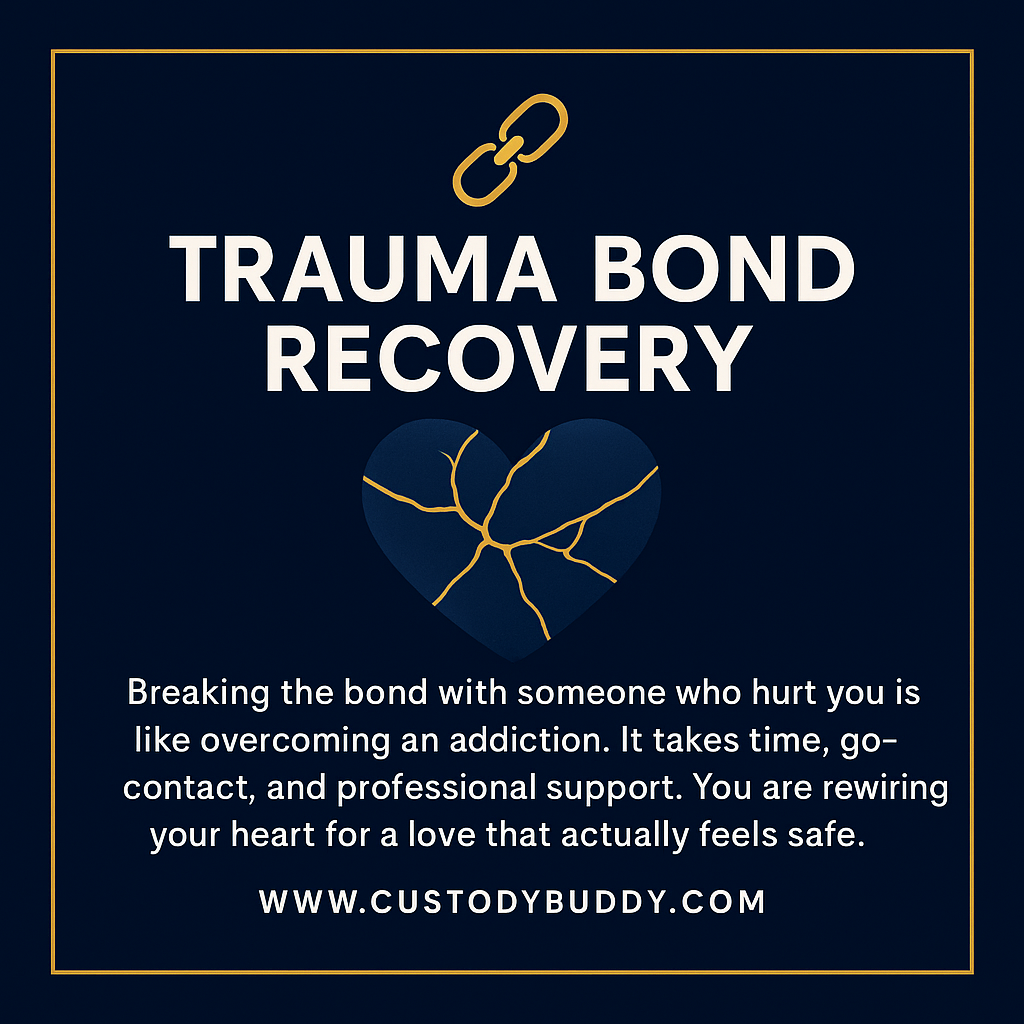
In a nutshell, trauma bonding is a psychological attachment to someone who repeatedly hurts you. It thrives in hot-and-cold patterns that mess with your emotional GPS.
This bond forms through what’s called intermittent reinforcement—a fancy term for, “Sometimes they’re kind, sometimes they’re a disaster, and now you’re emotionally addicted.” Sound familiar?
Red Flags Waving Like It’s a Parade
- Rollercoaster Emotions: You feel euphoric one minute, crushed the next. Emotional whiplash, anyone?
- Making Excuses: You find yourself defending their actions, even when they’re clearly harmful. “They only screamed because they care!” No. Just… no.
- Feeling Glued: Despite the chaos, you can’t seem to walk away—even if you have every reason (and five friends telling you to run).
The Emotional and Psychological Impact
The Toll on Your Mental Health
- Anxiety: Always walking on emotional eggshells.
- Depression: Feeling drained, disconnected, and lost in the fog of confusion.
- Self-Worth Issues: Wondering if it’s your fault. (Spoiler: It’s not.)
The Physical Sidekicks
- Fatigue: The stress is real, and your body’s ready for a nap that lasts until next weekend.
- Stress Symptoms: Racing heart, clenched jaw, stomach making whale noises at awkward moments.
Recognizing the Need for Change
Here’s the part where we lovingly, but firmly, get real. Admitting the bond is painful is not weakness—it’s power. The moment you say, “This is hurting me,” is the moment your healing begins. 🫶
It’s okay to miss them. It’s also okay to protect your peace like it’s the last slice of pizza. Self-compassion is your new bestie. Let it ride shotgun.
Steps to Break the Trauma Bond
No Contact = Emotional Black Belt Move
Here’s the deal: continuing to engage with a person who hurt you is like trying to quit sugar while working at a donut shop. No contact is crucial.
Try these tips:
- Block their number (yes, even their second one)
- Unfollow, unfriend, uncaffeinate if needed—whatever cuts digital ties
- Tell your support crew so they can hold you accountable when the temptation creeps in
Phone a (Professional) Friend
You wouldn’t redo your kitchen without a contractor—so why tackle emotional demolition without backup?
- Cognitive Behavioral Therapy (CBT): Rewires thought patterns like a ninja electrician
- Trauma-Informed Therapy: Help from pros who know exactly what this bond is and how to guide you through it
- Support Groups: Because healing is better with snacks and solidarity
Rewiring Your Heart (No Soldering Required)
Breaking free is about more than “delete and move on.” It’s about real self-care, not just bubble baths (but hey, bubble baths help too!).
- Learn Healthy Relationship Patterns: Like mutual respect, kindness, and “Hey, I cleaned your side of the sink” type of love
- Boost Your Self-Love: Use affirmations that don’t make you cringe (or make them anyway, it still works)
- Do Things That Spark Joy: Rewatch that cheesy show, dye your hair purple, sign up for Zumba—whatever reminds you of YOU
The Journey of Healing
Let’s keep it real: healing isn’t exactly a straight line. It zigzags, sometimes it loops, and occasionally you’ll want to throw your journal out the window. That’s okay.
Each moment that you choose yourself—whether it’s setting a boundary, going to therapy, or just breathing through a craving to reconnect—is a win. A BIG one. Keep those wins coming, one step at a time.
Continue Your Family Law Journey
Breaking a trauma bond is not just an emotional shift—it often means learning how to protect yourself and your children in real, practical ways, especially when court orders, parenting schedules, or ongoing contact make “no contact” complicated. The right legal and family law resources can help you turn your new insight into concrete steps that support your safety, your healing, and your kids’ stability.
If you’re ready to back up your inner work with outer structure—stronger boundaries, better documentation, and clearer co-parenting expectations—these tools can guide you through what to do next.
- Recognizing Trauma Bonds in Divorce and Custody Cases
- Trauma Bonds – O’Connor Family Law
- Why Trauma Bonding is 100% Relevant in Family Law Files
This is coaching advice, not legal advice. For matters involving custody, safety, or legal rights, always consult a qualified family law attorney.
Recommended Resources
These books have helped many parents navigate similar challenges. As an Amazon Associate, I earn from qualifying purchases.
Healing from Hidden Abuse: A Journey Through the Stages of Recovery from Psychological Abuse
by Amanda H. McNaughton
This book provides essential insights and practical steps for individuals recovering from relationships with emotionally abusive partners.
Co-Parenting With a Toxic Ex: What to Do When Your Ex-Spouse Tries to Turn the Kids Against You
by Melissa A. Schenker
This book offers tactical strategies to navigate high-conflict co-parenting situations, helping parents maintain a healthy relationship with their children.
The Narcissist’s Playbook: How to Recognize and Change Toxic Relationships
by Avery Neil
This resource sheds light on the dynamics of narcissistic relationships and provides practical advice for breaking free from trauma bonds.
About the Author
Written and reviewed by Danielle Pike, Founder of CustodyBuddy.com — self-represented litigant, Ontario family law advocate, and legally blind mother of two navigating high-conflict co-parenting in the Ontario court system. Last reviewed: April 2026.
Need to document an incident for court?
The CustodyBuddy Incident Report Generator guides you step by step — Canadian legal classifications, automatic timestamps, and a court-ready export in under 3 minutes.
Legal disclaimer: This article is for educational purposes only and does not constitute legal advice. For advice specific to your situation, consult a qualified Ontario family lawyer or visit CLEO’s Steps to Justice.