Understanding Section 7 Reports: Prioritizing Your Child’s Best Interests
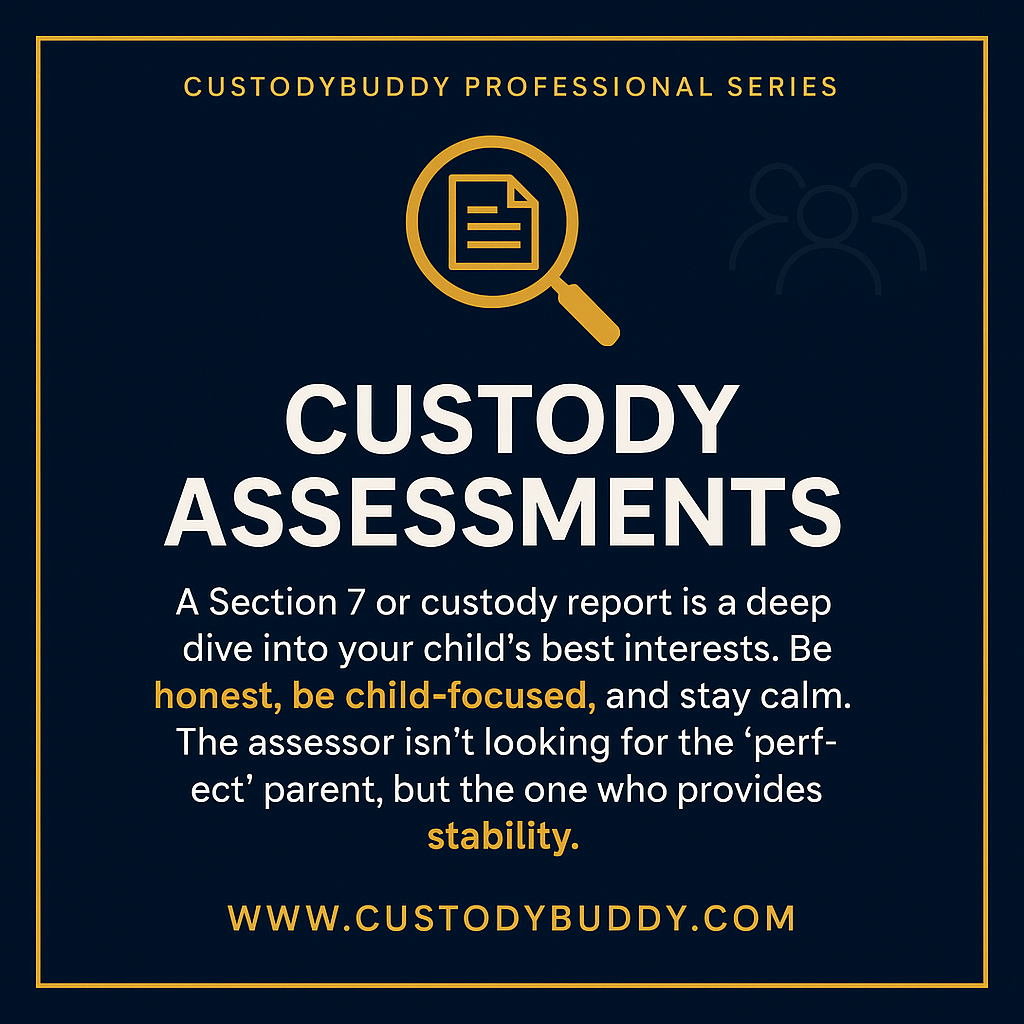
If you’ve ever found yourself lost in the jargon-filled jungle of family law, take a breath—today we’re swinging straight into the heart of one of its most important vines: the Section 7 report. It’s not a spy thriller (though we admit, it sounds like it), but it does play a critical role in child custody cases. The goal? Not to measure your parenting performance by Olympic standards—but to figure out what’s genuinely best for your child.
No one expects perfection. This isn’t a “Best Parent of the Year” pageant. What matters most is whether your child is secure, supported, and surrounded by love (and yes, making sure someone packs their lunch occasionally doesn’t hurt).
What Is a Section 7 Report?
Definition and Purpose
A Section 7 report is basically a written recommendation to the court about where your child should live, how much time they should spend with each parent, and—most importantly—what arrangement keeps their little world steady and safe.
When It’s Called Into Action
This report enters the scene when parents can’t agree on what’s best for their child, and the court says, “Alright, break it up. Let’s get someone neutral in here.” It’s ordered under Section 7 of the Children Act 1989, and yes, that’s where it gets its very glamorous name.
Who’s Involved
- Child(ren): Center stage. Their feelings, needs, and wishes (depending on age) are key.
- Parents: Yes, both of you—even if you disagree over everything from bedtimes to broccoli.
- The Assessor: A CAFCASS (Children and Family Court Advisory and Support Service) officer or a social worker who writes the report.
- The Judge: The final decision-maker who uses this report as part of their toolkit.
The Role of the Assessor
Who They Are
The assessor is trained in child welfare and absolutely immune to charm, bribes, and the good ol’ puppy-dog eyes. They’re here for facts, not flattery.
How They Roll
- They speak to each parent (expect tough but fair questions).
- They talk to the child if age-appropriate (kids are often the real MVPs of honesty).
- They might observe interactions or chat with other adults involved (grandparents, teachers, or the soccer coach with surprisingly deep insights).
The Gold Standard: Objectivity
Assessors are like Switzerland—neutral and focused solely on your child’s needs. Not your relationship drama. Not your epic tales of laundry domination. Just the child.
What’s Inside a Section 7 Report?
The Child’s Perspective
If your child is old enough to express a view, it’ll be included—though wishes don’t always dictate outcomes. It’s about what’s safe, stable, and healthy.
Parenting Background
- Each parent’s lifestyle, health, and ability to meet the child’s emotional and physical needs.
- It’s not about perfection—just consistency and reliability (like showing up on time and knowing when they last bathed… hopefully).
Family Dynamics
This includes the relationship between the parents and how you both communicate about the child. Spoiler alert: shouting via text isn’t a good look.
Social Environment
- School performance? Yep.
- Friendships? You bet.
- Stability and sense of belonging in community? Absolutely.
The Recommendations
This is where the assessor makes their call on what arrangements are likely to serve the child’s best interests. It could cover who the child lives with, how contact works with the other parent, and any additional support needed.
Preparing for a Section 7 Assessment
What to Expect
The process usually involves interviews, home visits, and potentially other observations. Think of it as “Parenting Inspection Day,” but don’t panic—there’s no white glove test.
Top Tips for Navigating It All
- Stay calm and composed: No need to bring drama—this isn’t a courtroom soap opera.
- Be honest and open: Even Superparents make mistakes. Own them with grace.
- Focus on your child’s needs: Keep “What’s best for my kid?” at the center of every sentence.
- Document your parenting efforts: Keep records of schedules, school involvement or friendly co-parenting messages. Screenshots welcome.
- Speak about your child’s welfare calmly: This isn’t the time to channel your inner courtroom drama lead. Be factual, not theatrical.
Section 7 Dos and Don’ts
- DO: Cooperate fully. Think team player with a notepad.
- DON’T: Badmouth the other parent. Assessors can smell bitterness from a mile away (and spoiler: it doesn’t help your case).
- DO: Highlight your parenting superpowers. Do you cook, help with homework, manage meltdowns and Saturday football? Say so.
- DON’T: Withhold information or get defensive. Transparency is everything, even if it’s awkward.
- DO: Engage positively with the assessor. They’re not your enemy—they’re basically the GPS system helping the court find the best route forward for your child.
What Happens Next?
After the Report
Once the report lands in the court’s lap, both parents and their lawyers (if involved) get a copy. Sometimes it brings relief. Sometimes eye rolls. Either way—it’s influential.
Why the Report Matters
Courts often lean heavily on the Section 7 report for understanding the broader family context and recommending solutions. It may not be the final word, but it sure is a loud one.
Learning to Accept the Findings
Even when they’re tough to hear, the insights are all about helping your child thrive. Let go of winning or losing—this is parenting, not a custody championship belt match. Humility helps. Deep breaths help more.
Continue Your Family Law Journey
Section 7 reports can feel intensely personal, and now that you understand how much weight they carry, the next step is making sure you have practical tools to protect your child’s stability and your own peace of mind. The more support you have with things like clear communication, good documentation, and healthy co-parenting boundaries, the easier it is to keep the focus where it belongs: your child’s best interests.
These resources are designed to help you turn what you’ve just learned into action—whether that means preparing for assessments, responding to recommendations, or navigating day-to-day parenting arrangements under the court’s eye.
This is coaching advice, not legal advice. For guidance specific to your situation, consult with a qualified family law professional.
Recommended Resources
These books have helped many parents navigate similar challenges. As an Amazon Associate, I earn from qualifying purchases.
The Co-Parenting Handbook: Raising Well-Adjusted and Resilient Kids From Little Ones to Young Adults Through Divorce and Beyond
by Karen Bonnell and A.J. Jacobs
This book provides practical strategies for effective co-parenting, especially in high-conflict situations.
Divorce Poison: How to Protect Your Family from Bad-mouthing and Brainwashing
by Richard A. Warshak
It offers psychological insights and tactics to combat negative influences from a high-conflict ex-partner, protecting the child’s well-being.
The Narcissist’s Playbook: Manage Your Emotions, Navigate Your Relationships, and Stay Sane
by Karyl McBride
This book helps parents understand and manage their interactions with narcissistic ex-partners, which is crucial for effective co-parenting.
About the Author
Written and reviewed by Danielle Pike, Founder of CustodyBuddy.com — self-represented litigant, Ontario family law advocate, and legally blind mother of two navigating high-conflict co-parenting in the Ontario court system. Last reviewed: April 2026.
Need to document an incident for court?
The CustodyBuddy Incident Report Generator guides you step by step — Canadian legal classifications, automatic timestamps, and a court-ready export in under 3 minutes.
Legal disclaimer: This article is for educational purposes only and does not constitute legal advice. For advice specific to your situation, consult a qualified Ontario family lawyer or visit CLEO’s Steps to Justice.