
Co-Parenting with Chaos? Enter the Parenting Coordinator!
Picture this: It’s 7:59 AM on a school morning, and both parents are still arguing (via text) over who’s supposed to drop off the kids. The child’s only request? “Can I just not be late again?” Welcome to the high-stakes, low-patience world of high-conflict co-parenting.
Co-parenting is a beautiful thing—when it works. But let’s be real: sharing custody after a breakup isn’t always sunshine and Pinterest-worthy handoffs. That’s where a Parenting Coordinator (PC) steps in like an emotional superhero—minus the cape, but still packing conflict-resolution powers.
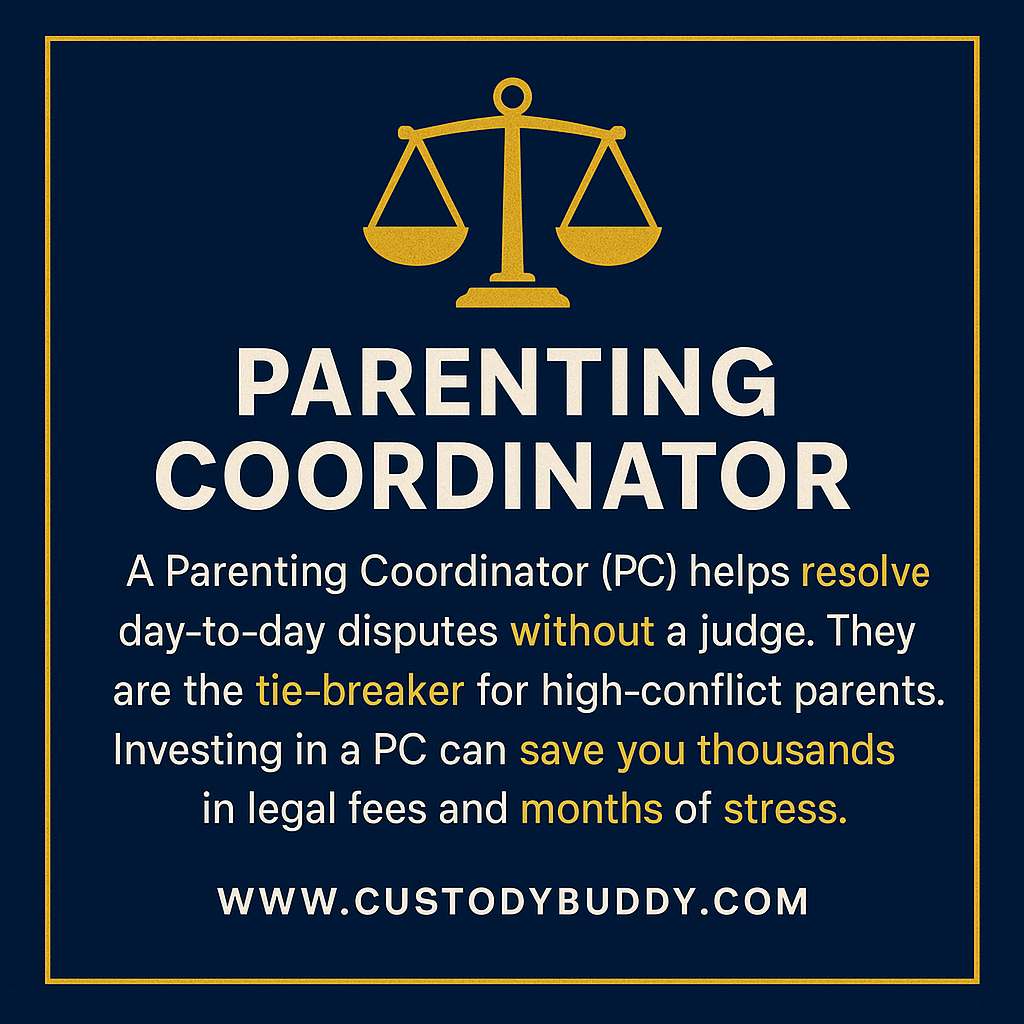
Hot take: Investing in a Parenting Coordinator can save you thousands of dollars in legal fees, mountains of stress, and enough time to finally binge that show you keep hearing about.
What Exactly Is a Parenting Coordinator?
If “Parenting Coordinator” sounds like someone who alphabetizes chore charts, think again.
The Official Scoop
A Parenting Coordinator (PC) is a neutral third party who helps parents navigate the emotional landmines of joint custody. Nope, they’re not taking sides—and no, they don’t come with referee whistles (but that would be fun).
What They Actually Do:
- Mediation Master: PCs help parents resolve conflicts before they explode into courtroom drama.
- Agreement Enforcer: They ensure both parents follow the parenting plan without pulling out legal threats every time.
- Communication Translator: They can take “I hate your guts” energy and turn it into “Let’s focus on what’s best for the child.”
Who Are These Magical People?
Most PCs come from serious professional backgrounds—think clinical psychologists, family law attorneys, or social workers who’ve seen everything twice and still manage to keep a calm voice.
Why Would You Ever Need a Parenting Coordinator?
High-Conflict Isn’t Just a Buzzword
Studies show up to 30% of divorces fall into the high-conflict category. That’s a lot of slammed doors and icy “per my last email” texts.
If every exchange feels like walking into a courtroom or defusing a bomb… yeah, PC time.
Common Disputes That Go Off the Rails
- “You said soccer starts at 5!”
- “I never agreed to pay for that field trip!”
- “He had a fever and you STILL sent him to my house??”
These may seem small, but stack them daily and suddenly you’re living in a never-ending family feud.
The Toll on Your Kids
Let’s not forget the little humans caught in the middle. Constant tension and schedule chaos can increase anxiety and behavioral issues in kids. And let’s be honest, they deserve better than playing peacekeeper.
The Glorious Benefits of Hiring a Parenting Coordinator
Break Up with Legal Bills
Family court fees can empty your wallet faster than your kids at a toy aisle. PC fees, while not pocket change, are peanuts compared to dragging disputes through court again and again.
More Time for You (and Your Sanity)
Who knew you could solve problems without court hearings and attorneys on speed dial? A PC streamlines discussions, helps decisions get made, and gives you back your Saturdays.
Goodbye Drama, Hello Peace (Kinda)
PCs lower the emotional temperature. Imagine replacing late-night rage-texting with structured, managed conflict resolution. It’s like finally finding the user manual for your co-parent.
Custom, Flexible Solutions
No cookie-cutter rulings here. PCs work with your unique situation to create solutions as tailored as a made-to-measure suit (just like you deserve).
A Stronger Co-Parenting Partnership
The ultimate win? Parents slowly become better at communicating—or at least stop using the kids as messenger pigeons. Small victories, people!
How the Parenting Coordination Process Actually Works
Step One: The Consultation
A PC meets with each parent (separately or together, depending on the heat level) to understand what’s going on and what needs fixing.
Step Two: Set the Ground Rules
The PC helps create an agreed-upon communication plan. Sorry, snail-mail fans—texting and email are usually preferred here.
Step Three: Regular Meetings
Disputes get dealt with during structured sessions, instead of sparking spontaneous screaming matches in the school parking lot.
The Magic of Real-Time Resolutions
Need to settle where your child spends Thanksgiving? PC. Last-minute schedule switch? PC. Question about ballet lessons vs. basketball? Yep—still PC.
Compliance is Key
A PC helps make sure parenting agreements aren’t just ideas on paper. They have the authority (and patience) to hold parents accountable.
Real-Life Wins: Parenting Coordinator Style
Meet “Sam” and “Jamie” (not their real names). They couldn’t agree on bedtime, school pickup, or even how to spell “communication.” After working with a PC for three months, the number of angry emails dropped by 90%—and Jamie no longer needed Tums before every handoff.
And then there’s “Kia” and “Leo,” who hadn’t gone a week without a disagreement in two years. Their PC helped them set up a shared calendar, clear agreements, and even return each other’s texts with an actual “thank you” once in a while. Miracles? No. But close.
Continue Your Family Law Journey
Now that you’ve seen how a Parenting Coordinator can enforce parenting agreements, mediate everyday disputes like scheduling conflicts, and ease communication in high-conflict situations, taking the next step with targeted resources will help you implement these strategies effectively.
Whether you’re documenting violations, setting firm co-parenting boundaries, or seeking stability for your kids, these practical tools build directly on the PC process to reduce stress and avoid costly court battles.
- Use co-parenting apps to track communication and plans
- Document parenting agreement violations calmly and clearly
- Set crystal-clear boundaries (with help from your PC)
- Explore therapy or coaching to stay emotionally steady
- Know when to call your PC before things escalate
Co-parenting doesn’t have to feel like a never-ending boxing match. With a Parenting Coordinator in your corner, peace, progress, and actual focus on the kids are totally possible. And hey, a few less headaches never hurt anybody.
This is coaching advice, not legal advice. For professional opinions on your specific case, always consult a licensed attorney or mental health professional.
Recommended Resources
These books have helped many parents navigate similar challenges. As an Amazon Associate, I earn from qualifying purchases.
The Co-Parenting Handbook: Raising Well-Adjusted and Resilient Kids from Little Ones to Young Adults Through Divorce or Separation
by Karen Bonnell and Kristin C. Kelly
This book provides practical strategies for parents navigating the complexities of high-conflict situations while focusing on the children’s well-being.
Running on Empty: Overcome Your Childhood Emotional Neglect
by Jonice Webb and Christine Musello
Offering insights into emotional neglect, this book helps parents understand their own emotional challenges and improve their co-parenting interactions.
Splitting: Protecting Yourself While Divorcing Someone with Borderline or Narcissistic Personality Disorder
by Bill Eddy and Megan Hunter
This book equips parents with legal strategies and negotiation techniques specifically tailored for dealing with high-conflict ex-partners.