
Child Support Truths: It’s Not a Gift—It’s a Right (And No, You Can’t Return It for Store Credit)
Let’s cut to the chase—somewhere out there, someone right now is fuming because they think child support is just a monthly “favor” to the other parent. They’re writing checks with eye rolls and thinking, “Well, there goes my weekend pizza fund.” But here’s the thing: child support isn’t optional, it’s not a luxury, and it definitely isn’t a gift wrapped in resentment.
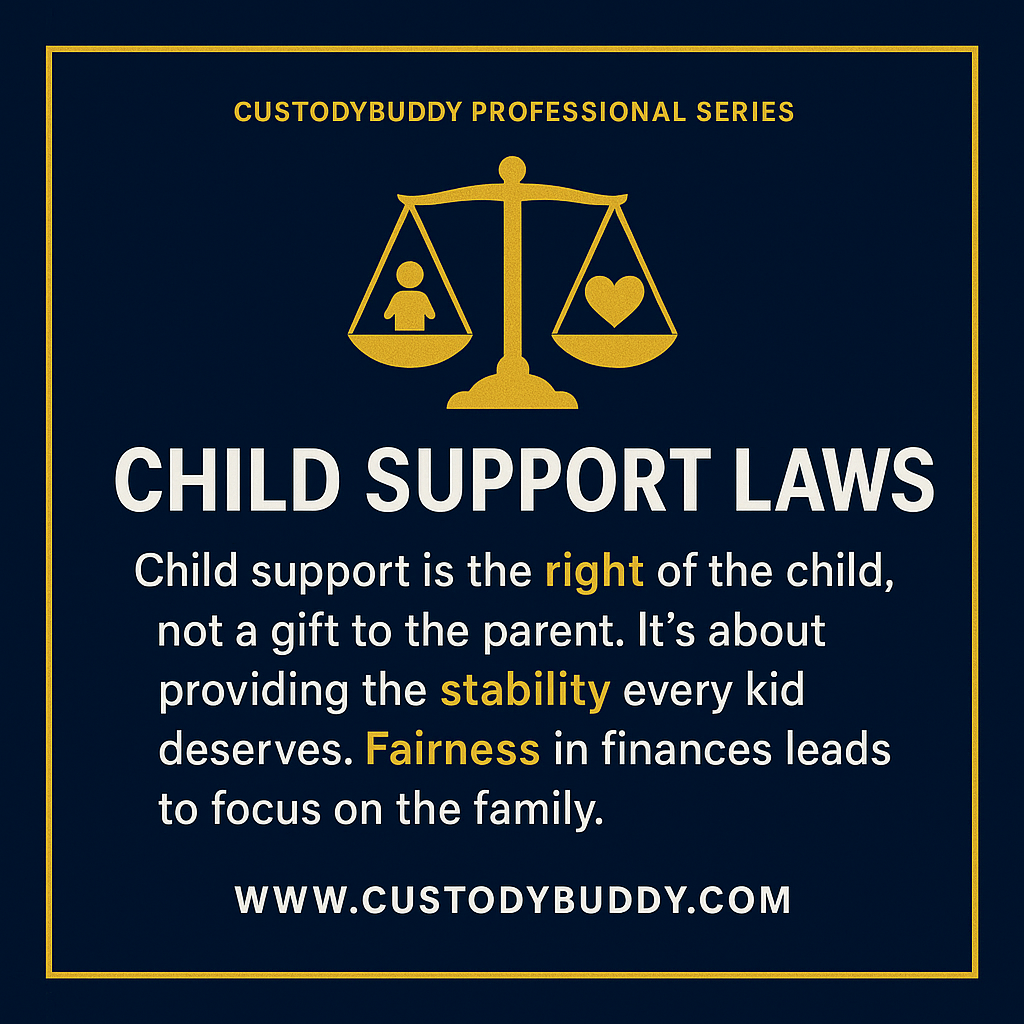
Child support is the child’s right. Not the other parent’s. Not a thank-you-in-advance donation. It’s about fairness, stability, and giving your child a life powered by two parents—even if one of them lives six zip codes away and calls once every equinox.
The Purpose of Child Support: It’s Not Rocket Science, It’s Just Responsibility
What Is Child Support, Anyway?
Simply put: child support is a court-backed, legally binding obligation that ensures the non-custodial parent helps cover the child’s:
- Essential needs (think: PB&J sandwiches, sneakers, toothpaste)
- Education (a calculator doesn’t pay for itself, people)
- Housing and transportation (because children can’t pay rent using hugs and macaroni art)
In short, child support reinforces what biology already decided: both parents have a stake in this beautiful, chaotic, snack-devouring little human.
It’s Literally the Child’s Right
From a legal (and moral) viewpoint, a child has a right to receive support from both parents. This goes beyond checking a box or proving a point in court—it’s about laying down the foundation for:
- Better health outcomes
- Improved emotional stability
- Access to opportunity (remember: karate classes aren’t cheap!)
Busting Child Support Myths: Less Drama, More Facts
Myth #1: “Child Support Is a Gift to the Other Parent”
This one’s a classic. But let’s flip the script: Child support is money for the child. Just because it’s handed to the custodial parent doesn’t mean it’s for their Netflix subscription. It covers rent, groceries, braces, and that “surprise” growth spurt that required all new clothes last Thursday.
Thinking of it as a “gift” is like claiming taxes are a donation to the government because they go through your account first. Cute logic. Still wrong.
Myth #2: “Child Support Destroys the Family Dynamic”
The truth? Child support can actually reduce tension and define expectations. It’s not a slap in the face—it’s a high-five to consistency.
When both parents commit to financial stability, it says, “Hey, we may not share a Netflix password anymore, but we can still team up for our kid.” That kind of effort? It goes a long way in building trust and keeping things from getting courtroom-level messy.
Financial Fairness = Family Stability
When Money Meets Maturity
Picture a world where child support isn’t a fight, but a function. A boring, reliable function—like brushing your teeth, or nodding through conference calls.
Equitable child support creates an environment where kids feel seen, safe, and supported. And those feelings stick. Research shows that children with consistent financial backing from both parents tend to do better emotionally, behaviorally, and academically.
Shift Focus from Dollar Signs to Mini-Humans
At the end of the day, your child doesn’t care which parent dropped $60 on new school supplies. What matters is that someone did—without the passive-aggressive sighs.
Here’s how to keep family harmony front and center:
- Keep communication child-centered. “Is this best for our kid?” is your new motivational poster.
- Use tools—not tantrums. There are apps for coordinated co-parenting. And none of them require yelling into the void.
- Default to kindness, not court filings. When in doubt, breathe. Then brainstorm—together (yes, together!)—what’s fair.
The Positive Impact of Adequate Child Support
Here’s what happens when child support does exactly what it’s supposed to:
- Kids thrive—not just survive
- They grow up with less chaos and more confidence
- They get to focus on being kids, not referees
In the end, the paycheck you send doesn’t just cover expenses—it covers dreams. Every payment tells your child, “I’ve got your back,” even when you’re not under the same roof (or rooting for the same bedtime).
Continue Your Family Law Journey
Now that you’ve gained clarity on child support as your child’s fundamental right—not a gift or point of contention—taking the next step to enforce orders or document violations ensures the stability both you and your children deserve.
These practical resources empower you to request urgent support, send formal demand letters, or review agreements, redirecting focus from disputes to your child’s well-being through effective co-parenting and communication.
- Sample script for requesting an urgent child support order
- Child Support Demand Letter Template – Sample
- Free Child Support Demand Letter Template
- Free Child Support Review Letter Template
This blog offers coaching guidance and educational insight. It is not a substitute for legal advice. For personalized legal assistance, always consult with a qualified family law professional.
Recommended Resources
These books have helped many parents navigate similar challenges. As an Amazon Associate, I earn from qualifying purchases.
The Co-Parenting Handbook: Raising Well-Adjusted and Resilient Kids from Little Ones to Young Adults Through Divorce or Separation
by Karen Bonnell and Kristin Little
This book provides practical strategies for successful co-parenting, particularly in high-conflict situations, helping parents focus on the best interests of their children.
Divorce Poison: How to Protect Your Family from Bad Mouthed Ex-Spouses
by Richard Warshak
Warshak’s book offers insights on how to mitigate the negative impacts of a high-conflict ex-partner on children, emphasizing the importance of maintaining healthy relationships.
The Narcissist’s Playbook: Switching from Survival Mode to Thriving
by J. M. C. Jones
This book addresses the emotional challenges of dealing with a narcissistic co-parent and offers practical advice for maintaining stability and focusing on children’s needs.