
Introduction
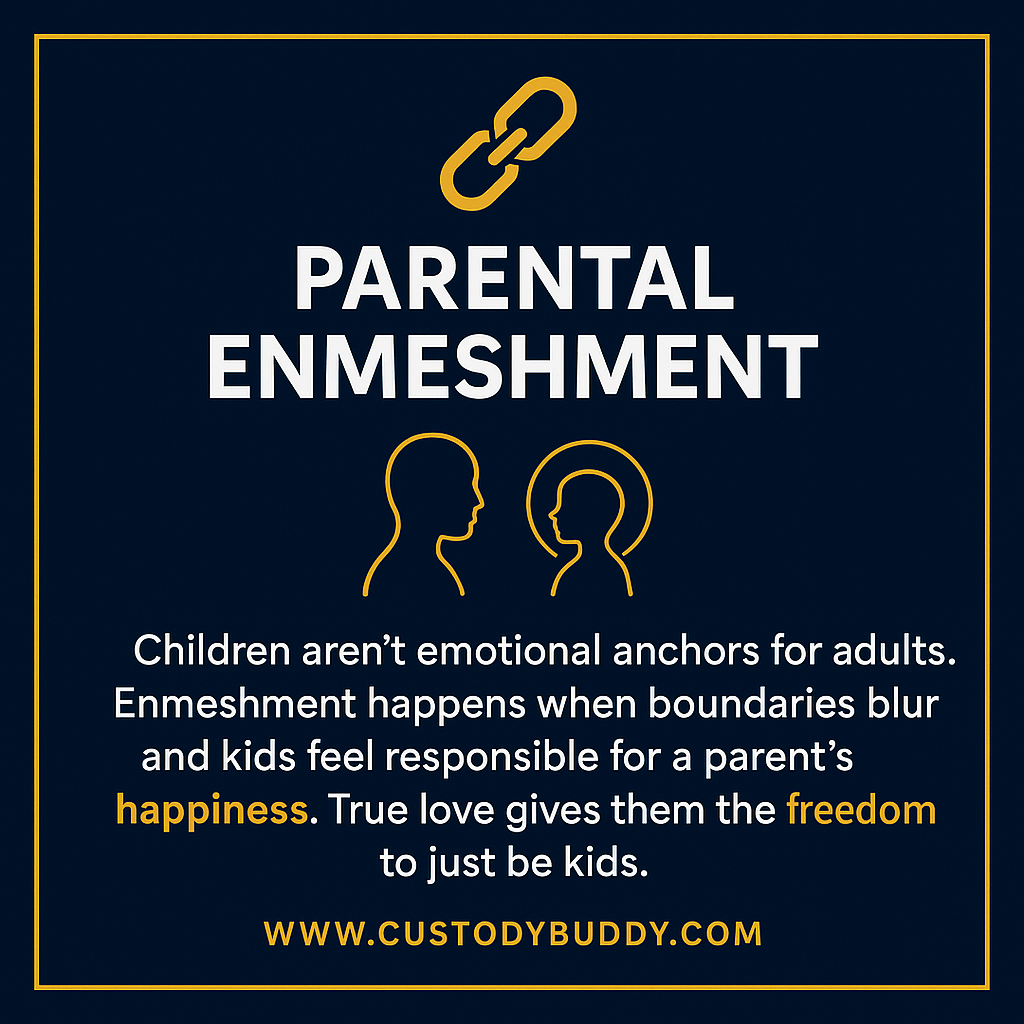
Let’s set the record straight: kids are not emotional support animals. Yes, they’re adorable, insightful, and might just teach you how to use TikTok, but they are not built to be the anchors for adult emotional seasickness. If you’ve ever thought, “My child just gets me,” hang tight—we’re diving into the swirling, spaghetti-like concept of enmeshment.
Healthy families thrive on love, trust, and boundaries—the kind that say, “I love you, but no, you can’t be my therapist.” When lines get blurry and emotional roles flip upside-down, kids end up carrying bags way too heavy for their age. And spoiler alert: those bags are filled with stuff like anxiety, guilt, and confused identity crises.
Understanding Enmeshment
What Is Enmeshment?
Imagine a close-knit family. Now imagine that family wrapped so tightly in each other’s business it makes a group chat look like a silent retreat. That’s enmeshment: an unhealthy emotional overlap between parents and kids where personal boundaries are almost non-existent.
- One person’s mood sets the tone for the whole house.
- Secrets are shared that aren’t age-appropriate (yes, your 10-year-old does not need to know about your ex-drama).
- Kiddos become sounding boards for big adult feelings.
The Psychology Behind It
Enmeshment usually stems from good intentions—wanting closeness, support, or connection. But when that closeness becomes emotional Velcro, trouble brews. Parents may unconsciously lean on their children to feel secure, validated, or emotionally stable. Sounds cozy, until the child’s own sense of self gets buried under grown-up expectations.
How Enmeshment Manifests
Red Flags Waving Like It’s a Parade
- Children consistently soothe their parent’s emotions (cue tiny therapist hats).
- There’s no “room” for disagreement, privacy, or personal space.
- Parents vent deeply personal adult struggles to their kids. Think: “You’re the only one who understands me…” Uh-oh.
Real-Life Example Time
Let’s say 12-year-old Max hears, “I don’t know what I’d do without you. You’re the only one who doesn’t leave me.” That’s not a compliment—it’s an emotional fishing hook. Now Max feels guilty about growing up, leaving the house, or even disagreeing. That’s the trap of enmeshment: love gets tangled up with emotional responsibility.
The Impact on Children
Emotional Consequences
Kids stuck in enmeshed dynamics often turn into mini-adults way too soon—and not in a cute “he’s so mature for his age” kind of way.
- Anxiety from feeling like their parent’s crisis manager.
- Guilt for wanting independence or space.
- Relationship struggles later in life due to unclear boundaries.
Developmental Repercussions
Instead of building their own identity with glitter, mistakes, and awkward phases, enmeshed kids often develop a sense of self based on how their parent feels. Growth stalls, independence shrinks, and their self-worth gets attached to how much they help others feel “okay.”
- They question their own desires (Do I want this…or does Mom want me to want this?).
- Their emotional radar becomes hypersensitive to others, at the cost of their own needs.
Long-Term Effects
The scars of enmeshment echo into adulthood. Ever meet someone who can’t say no, feels responsible for everyone’s happiness, or panics at the thought of disappointing others? Check their rearview mirror—they might’ve been the family anchor long before they were tall enough to ride a rollercoaster.
The Role of True Love and Healthy Boundaries
True Love Doesn’t Micromanage
Love is not domination. It’s not “You complete me” energy directed at your kid. Truly loving someone—especially a child—means cheering them on as they become their own person. Even if that person listens to weird music and thinks cargo pants are a fashion statement.
Why Boundaries Are a Love Language
- They teach kids that it’s safe to be themselves.
- They allow children to explore thoughts and dreams without the weight of emotional guilt.
- They help parents focus on healing through healthy support systems—read: other adults.
Practical Steps to Loosen the Velcro
- Have honest chats about feelings, but age-appropriate please—talk feelings, not taxes or the details of your dating drama.
- Encourage your child’s independence, even if it means letting them make popcorn for dinner (once in a while).
- Build adult connections so your child isn’t your emotional sidekick—join a support group, talk to a therapist, befriend someone over 30.
Conclusion
When kids become emotional anchors, no one’s setting sail. Enmeshment might feel like closeness, but it’s really a boundary blur that stunts emotional freedom—for everyone involved. By recognizing it and course correcting, families can re-learn what healthy love actually looks like.
Continue Your Family Law Journey
Recognizing enmeshment in your family dynamics is a vital first step toward fostering healthy boundaries and protecting your child’s emotional growth.
Our practical resources can guide you in documenting boundary violations, enforcing co-parenting agreements, and seeking the external support needed to prioritize your child’s independence and well-being.
- Explore tools to identify and regulate boundary breaches during co-parenting interactions.
- Get support in crafting respectful communication strategies that minimize harmful emotional roles.
- Access resources for finding external mental health or legal guidance when boundaries are consistently overlooked.
This blog provides coaching information and educational support; it is not a substitute for legal advice. For legal matters, please consult a qualified attorney.
Recommended Resources
These books have helped many parents navigate similar challenges. As an Amazon Associate, I earn from qualifying purchases.
The Co-Parenting Handbook
by Karen Bonnell and A. Scott Edwards
This practical guide provides strategies for effective communication and collaboration between high-conflict co-parents.
Healing from Hidden Abuse: A Journey Through the Stages of Recovery from Psychological Abuse
by Emily Ericson
This book offers emotional recovery strategies for those dealing with narcissistic partners, highlighting the importance of personal boundaries.
Boundaries: When to Say Yes, How to Say No to Take Control of Your Life
by Dr. Henry Cloud and Dr. John Townsend
This classic book teaches parents how to establish healthy boundaries, which is crucial in high-conflict co-parenting situations.