
Understanding Projection: Recognizing the Tactics and Staying Grounded in Your Truth
Ever been blamed for something you didn’t do—like when your roommate insists you’re the messy one, despite their cereal bowl having its own zip code on the coffee table? Welcome to the magical (or maddening) world of projection.
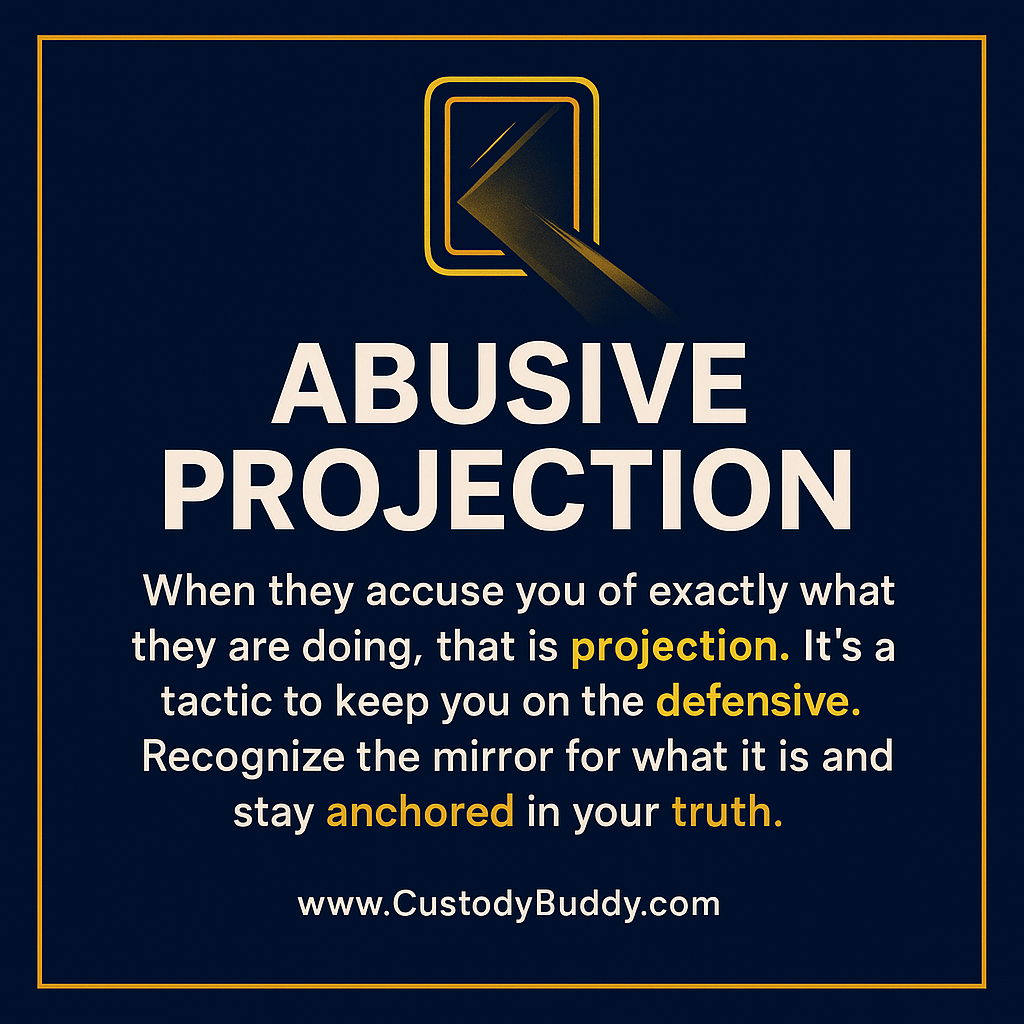
Projection is a psychological trick people use when they’re feeling uncomfortable with their own feelings, so they toss them onto someone else like a hot potato. And guess who ends up juggling it? Yep. You.
But fear not. Once you understand what projection looks like and why it happens, you’ll be able to stay grounded, protect your peace, and maybe—even keep your cereal bowls where they belong. Let’s dive in.
What is Projection?
In the psychology world, projection is a defense mechanism—basically your brain’s well-dressed excuse for not wanting to deal with uncomfortable emotions.
Instead of owning those feelings, the brain goes, “Hey! I’ll just say it’s your issue.” Classic move.
Projection in Action
- Someone who gossips constantly accuses you of being “so dramatic.”
- A perpetually late coworker tells you to “try being on time for once.”
- Your ex insists you’re the jealous one… after they went through your phone.
It’s like emotional Uno—people try to reverse their own traits back onto you. The concept’s been around for ages, all the way back to Freud (the psychology guy, not the guy who lived in your dorm and kept losing his vape). Freud said projection helps people avoid guilt or shame. Enter: drama.
Understanding the Mechanism of Projection
So, what’s behind the curtain? Fear and insecurity. The two secret agents of emotional sabotage.
- Fear: “If I admitted I was insecure, what would that say about me?”
- Insecurity: “I’m not handling my emotions well, but it’s got to be someone else’s fault… right?”
It’s easier for the brain to say, “This isn’t my issue; it’s yours.”—which, unfortunately, makes it your issue to manage. Yikes.
Now, let’s be clear: expressing concerns is totally normal. “Hey, this bothered me,” is healthy communication. But projection is when someone dumps the whole emotional dumpster fire on your lawn and blames you for starting it. Big difference.
Recognizing the Signs of Projection
Like spotting squirrels trying to steal your snacks, projection gets easier to recognize once you know the signs. Here’s what to watch for:
Projection Buzzwords & Behaviors
- Accusations that come out of nowhere: “You’re too controlling!” (Said as they delete your contacts.)
- Deflection when you bring up legitimate concerns: “Well, what about when YOU…”
- Zero accountability: They never apologize, just attack.
Anecdotal Reality Check
Let’s say your sibling constantly criticizes your parenting—but their own toddler thinks “nap” is a form of protest. A classic projection cocktail: insecurity shaken with a twist of superiority complex.
Pay close attention to how people respond when you enforce boundaries or calmly disagree. If their response is more drama than a three-season Netflix mini-series, you’re probably staring projection in the face.
The Defensive Tactic of Projection
Here’s the tricky part: when someone projects onto you, it’s like being invited to a fight you never signed up for. Suddenly, you’re on the defensive, saying things like, “Wait, wait—I’m not even like that!”
Exactly what they want.
- Emotionally draining: Being falsely accused is no picnic.
- Relationship strain: Projection erodes trust faster than a middle school game of telephone.
- Self-doubt: Even the strongest people can start questioning their own truth.
Staying Anchored in Your Truth
The secret sauce to surviving projection? Grounding yourself like a majestic oak tree that refuses to topple in someone else’s windstorm. Here’s how:
1. Know Thyself
Self-awareness is your mental force field. Journaling, therapy, meditation—whatever helps you understand you—use it. If you know your truth, no one else gets to rewrite it.
2. Emotional Intelligence is Not Just a Buzzword
Read between the lines. Don’t take every accusation at face value. Sometimes, what someone says about you is really just a reflection of what’s going on inside of them.
3. The Pause is Power
Before reacting, breathe. Take a step back. Channel your inner yoga master. Mindfulness, grounding exercises, or just a few deep breaths—pause before you pounce (verbally… usually).
4. Assert Your Boundaries
“I’m not okay with being spoken to that way.” Boom. One sentence. Gentle, firm, grounded. That’s a combo pack worth learning.
Responding to Projection
Here’s the magic trick: you don’t have to accept the invitation to that guilt trip. Try responses that hold space without swallowing the blame sandwich.
- “Sounds like you’re feeling frustrated. What’s actually going on?”
- “I hear your concern, but that doesn’t resonate with me.”
- “Let’s take a break and come back to this later.”
Short. Sane. Strong. That beats yelling into an emotional void every time.
Continue Your Family Law Journey
When projection leaves you defending against unfounded accusations in custody disputes or co-parenting conflicts, turning to specialized resources helps you document violations effectively and enforce protective orders with confidence.
These practical tools build on the strategies for staying grounded in your truth, offering clear guidance to establish firm boundaries, prioritize your children’s stability, and navigate family law challenges without emotional derailment.
- Keep a detailed log of interactions and incidents.
- Understand your rights and responsibilities under court orders.
- Work with professionals who seek resolution—not escalation.
- Prioritize your child’s emotional environment above drama or blame games.
Your truth is valuable. Protect it, use it, and stay anchored in it—especially when others try to shake it loose.
This is coaching advice, not legal advice. For legal matters, consult a qualified attorney licensed in your state or jurisdiction.
Recommended Resources
These books have helped many parents navigate similar challenges. As an Amazon Associate, I earn from qualifying purchases.
The Co-Parents’ Guide to Creating a Healthy Family
by Natalie L. Williams
This book offers practical strategies for co-parenting effectively, especially in high-conflict situations.
Co-Parenting with a Narcissist: A Guide to the Challenges and Strategies
by Catherine H. Henson
It provides insights into navigating the complexities of co-parenting with a narcissistic ex-partner, focusing on emotional support and tactical advice.
Healing from Childhood Trauma: How to Recover from Emotional Abuse in Your Relationship
by Diana L. Davis
This book offers tools for emotional recovery and resilience, which are crucial for parents dealing with the fallout of high-conflict relationships.